Article 26: Frequently Asked Weight Loss Questions (Part 2): Plateaus and Rebound Factors
Ke Lan explained that weight loss plateaus are the body's self-protective mechanism, requiring patience and perseverance to overcome. She provided a "weight regain predisposition" assessment form to help readers understand if they are prone to rebounding. Finally, she discussed the causes of stretch marks, pointing out that they are scars from broken skin tissue that can only be faded through...
2026-05-23
11. The Fatal Causes of Obesity Among Office Workers and an Analysis of Stress-Induced Obesity
This chapter focuses on the causes of obesity among office workers: 9-to-5 work schedules, sedentary lifestyles, business lunches, and lack of exercise. It analyzes the different symptoms and treatments for stress-related obesity, exercise-related obesity, and edema-related obesity.
2026-05-22
12. The most taboo weight loss methods for office workers and the side effects of diet pills revealed.
This chapter points out common weight loss mistakes made by office workers, such as dieting, using banned drugs, and using occlusive skin patches. It details the mechanisms and serious side effects of amphetamines, diuretics, thyroid hormones, bulgocytics, and laxatives, warning of the risks of unsafe weight loss methods.
2026-05-22
14. Tips for office workers on losing weight by eating out and basic knowledge of nutrient absorption
This chapter provides specific weight-loss tips for office workers eating out: use less dressing in salads, remove the skin from meat, and rinse meat with water before adding cornstarch. It also explains the principles by which the human body absorbs meat, rice, carbohydrates, protein, and fat.
2026-05-22
A meticulously crafted plan for a beautiful buttocks: diet strategies and exercise principles
This section introduces a dietary plan for achieving a beautiful buttock, including reducing animal fat and increasing potassium intake. It also explains the principles of exercise for a beautiful buttock, how to choose shaping pants for different buttock shapes, and how to get rid of cellulite.
2026-05-21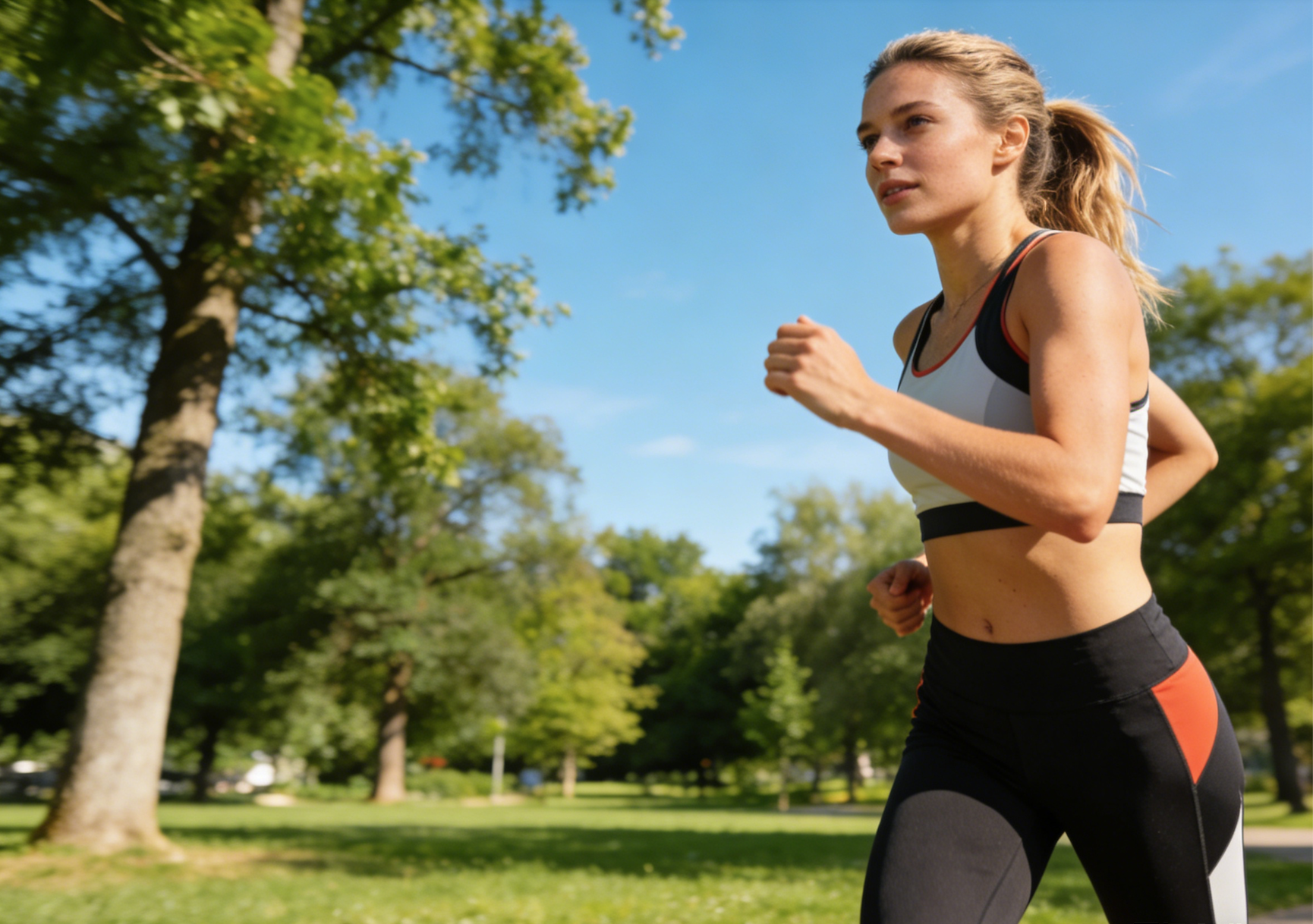
The 66-Day Rule: Make a peace treaty with weight loss and stop declaring war on yourself.
This article points out that changing a habit takes an average of 66 days, not 2-4 weeks. The author advocates abandoning the confrontational mindset of "warning against fat," because fat itself is an essential nutrient for the body. Treating fat as an enemy is tantamount to declaring war on oneself, which will only lead to defeat. Extreme short-term weight loss should be stopped, and one...
2026-05-21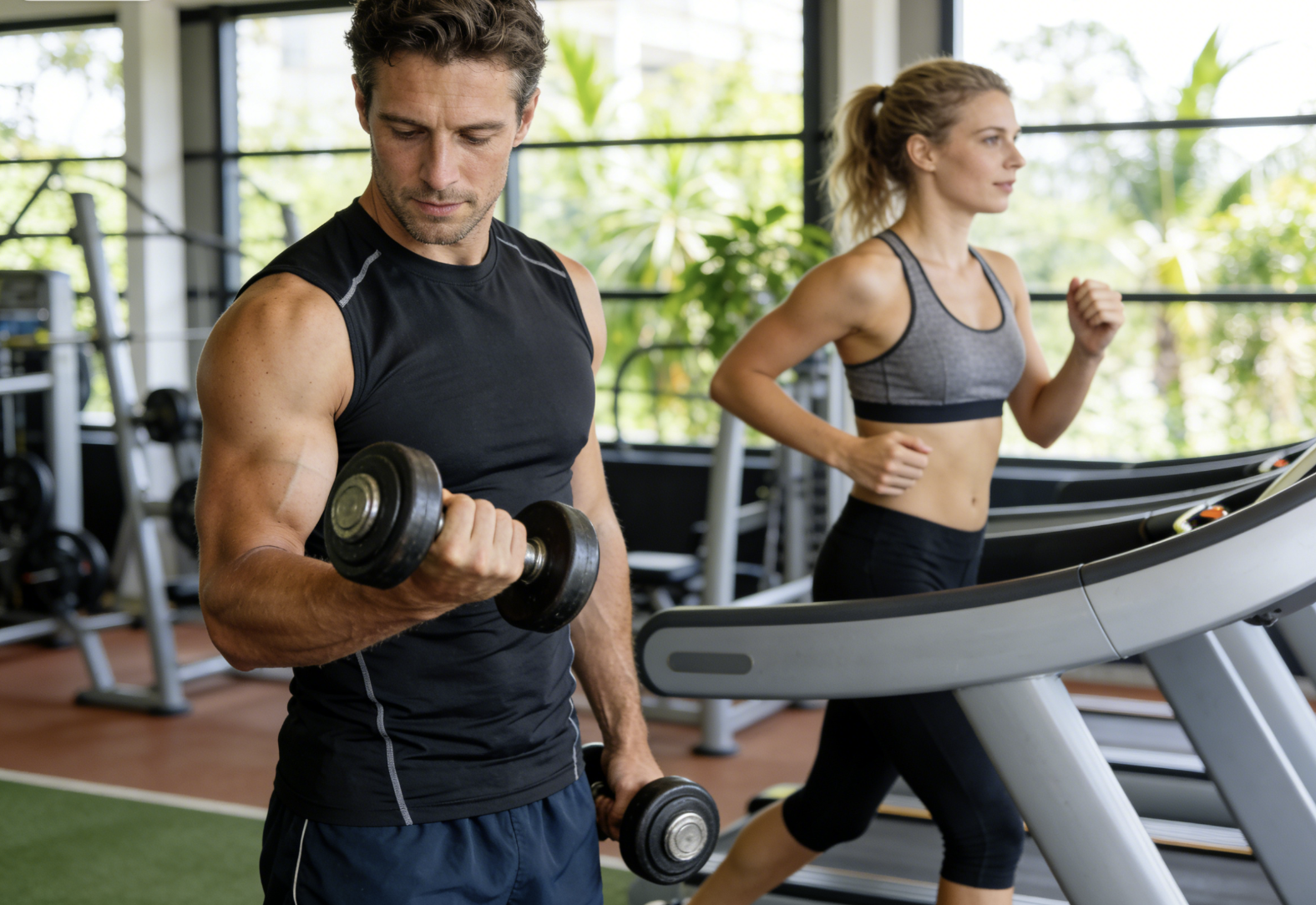
The most effective way to lose fat without losing muscle mass and everyday body shaping techniques
This section introduces methods for effectively reducing body fat while ensuring muscle growth, including reducing nighttime carbohydrate intake, properly scheduling aerobic training, and eating more fish. It also shares everyday tips for sculpting your physique.
2026-05-21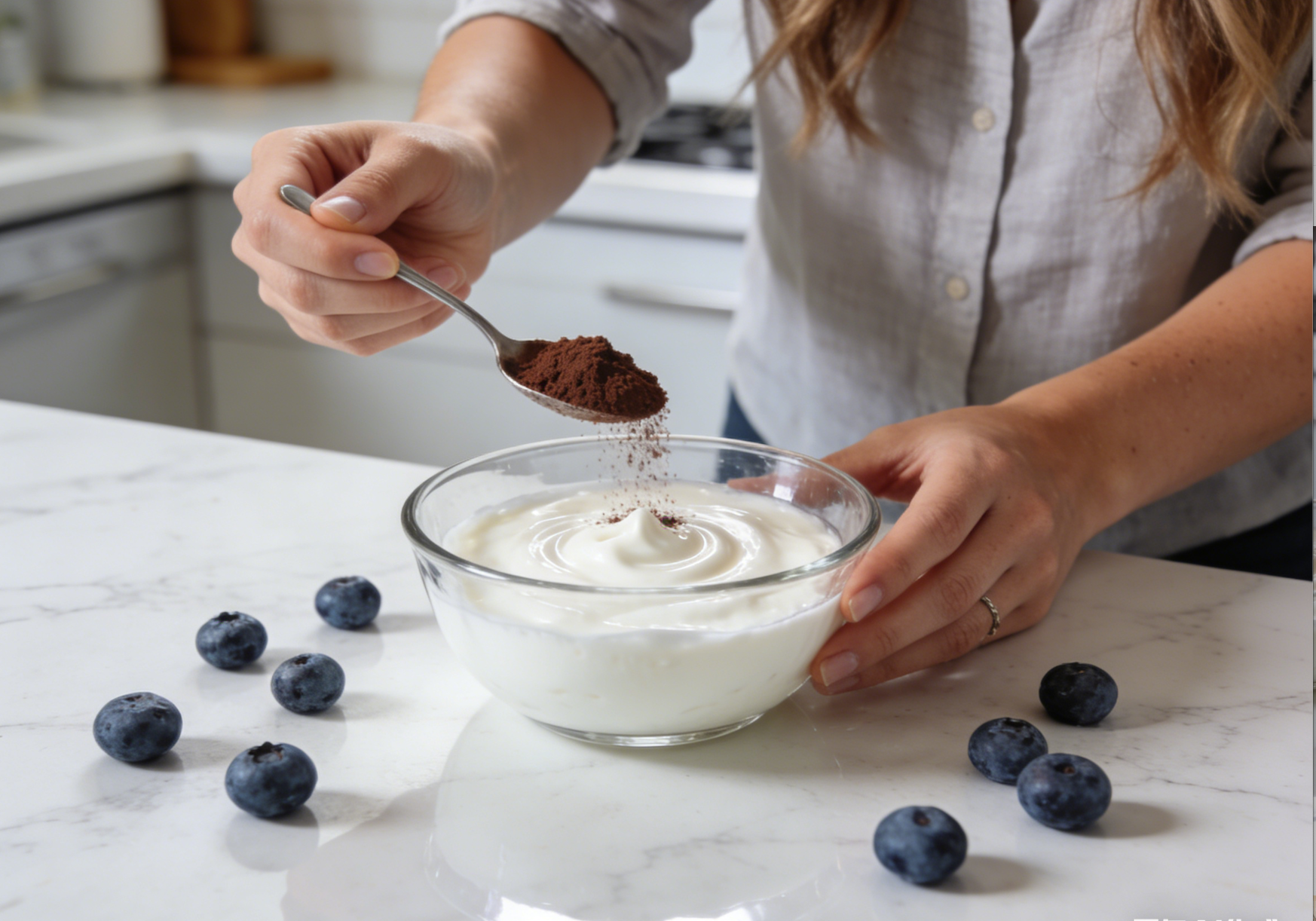
Combining health and fitness: Eight principles for scientific weight loss
This article emphasizes that health and fitness are the fundamental goals of weight loss, and proposes eight principles to help readers safely and effectively achieve their ideal weight: choosing the right weight loss method, not being impatient for quick results, persevering, losing weight in moderation, not frequently changing methods, limiting fat intake, not drinking alcohol, and inviting...
2026-05-20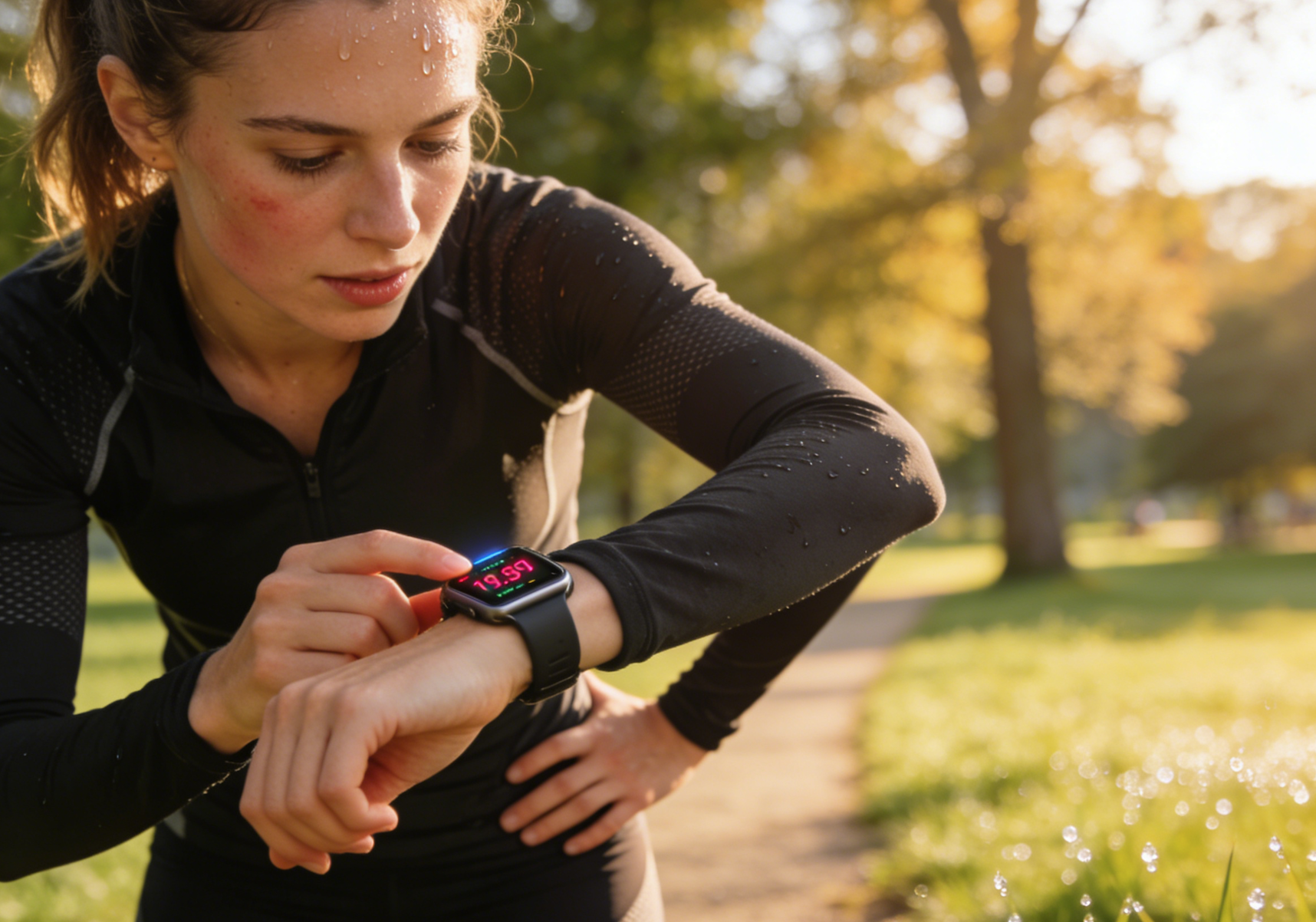
The pain of obesity and the urgency of losing weight – Scientific acupressure techniques to help you achieve a slim figure.
This article begins by discussing the physical and mental suffering caused by obesity, pointing out that obesity not only affects appearance but also serves as a breeding ground for various diseases. It emphasizes that simple dieting or medication for weight loss is ineffective and has side effects, recommending a scientific approach combining exercise and acupressure massage, with noticeable...
2026-05-20
Weight Loss Methods for Different Age Groups (Part 2): Postpartum and Menopausal Weight Loss Methods for Women
This article proposes weight loss programs specifically for women during two special stages: postpartum and menopause. Postpartum weight loss includes full-body exercise, targeted exercises, breast massage, and ten postpartum fitness exercises. Menopausal weight loss emphasizes a low-fat, high-fiber diet, ensuring adequate protein and vitamin intake, controlling fat intake, a balanced diet,...
2026-05-19
Weight loss methods for different age groups: Weight loss methods for children and teenage girls
This article proposes weight loss plans specifically for children and teenage girls. For children, the plan emphasizes high protein, sufficient vitamins, low fat and low sugar, adequate hydration, increased exercise, and behavioral changes, and provides a daily exercise schedule. For teenage girls, the plan focuses on reasonable food intake, dietary structure, avoiding water restriction,...
2026-05-19
Physical Weight Loss Methods (Part 3): Electro-Exercise Stimulation and Clothing-Based Weight Loss (Continued)
This article continues to introduce micro muscle strengtheners, massage slimming machines, electronic slimming devices, and low-frequency slimming devices within the electro-stimulation weight loss method. It then introduces slimming clothing products, including health earrings, slimming and health underwear, magnetic therapy abdominal and waist health belts, slimming belts, women's slimming...
2026-05-19
Weight Loss Methods for Different Age Groups (Part 4): Obesity Prevention Methods for Middle-Aged and Elderly People
This article proposes seven measures to prevent obesity in middle-aged and elderly people: controlling calorie intake, ensuring adequate protein intake, controlling fat intake, reducing salt intake, supplementing with sufficient vitamins, consuming sufficient fiber, and engaging in appropriate exercise. It also provides reference suggestions on the types and quantities of foods that should be...
2026-05-19
Physical weight loss method (II): Salt scrubbing, bathing, and electrical stimulation for weight loss
This article continues to introduce physical weight loss methods, including salt rubbing (using sea salt to rub and break down fat), bathing weight loss (artificial sunbathing, warm water baths, soaking, alternating hot and cold water, repeated bathing, long-term bathing, half-body bathing, sauna baths, etc.), and electro-stimulation weight loss (mini muscle strengtheners, massage machines,...
2026-05-19
Overview of Clothing-Based Weight Loss and Weight Loss Methods for Different Age Groups
This article introduces weight loss products, including health earrings, weight loss underwear, magnetic therapy abdominal and waist health belts, weight loss belts, women's weight loss and health abdominal belts, multi-functional fitness and weight loss abdominal belts, traditional Chinese medicine weight loss and fitness shorts, and weight loss and health bath towels. It then moves on to...
2026-05-19
Meridian Massage for Weight Loss (Continued): Thighs to Feet and Precautions for Massage
This article continues the meridian massage weight loss method, including massage techniques and acupressure on the thighs, knees, calves, and feet. It then details the precautions for massage weight loss, such as the need for a reasonable diet and regular laboratory tests, and summarizes the advantages of massage weight loss, especially its applicability to obese individuals with hypertension...
2026-05-19
Clinical experience formulas for weight loss (continued) and external application of traditional Chinese medicine for weight loss
This article continues to include clinically experienced formulas, including Kangling Weight Loss Mixture (lowers lipids, promotes diuresis, eliminates dampness and phlegm), Wuling Xiaofei Decoction (warms the middle jiao, strengthens the spleen, eliminates phlegm and promotes diuresis), Sitong Weight Loss Pills (suitable for simple childhood obesity), Lipid-Lowering Weight Loss and Fitness...
2026-05-19
Weight loss methods for different age groups: Postpartum and menopausal weight loss methods for women
This article proposes weight loss programs specifically for women during two special stages: postpartum and menopause. Postpartum weight loss includes full-body exercise, targeted exercises, breast massage, and ten postpartum fitness exercises. Menopausal weight loss emphasizes a low-fat, high-fiber diet, ensuring adequate protein and vitamin intake, controlling fat intake, a balanced diet,...
2026-05-19
Weight Loss Methods for Different Age Groups (Part 3): Obesity Prevention Methods for Middle-Aged and Elderly People
This article proposes seven measures to prevent obesity in middle-aged and elderly people: controlling calorie intake, ensuring adequate protein intake, controlling fat intake, reducing salt intake, supplementing with sufficient vitamins, consuming sufficient fiber, and engaging in appropriate exercise. It also provides reference suggestions on the types and quantities of foods that should be...
2026-05-19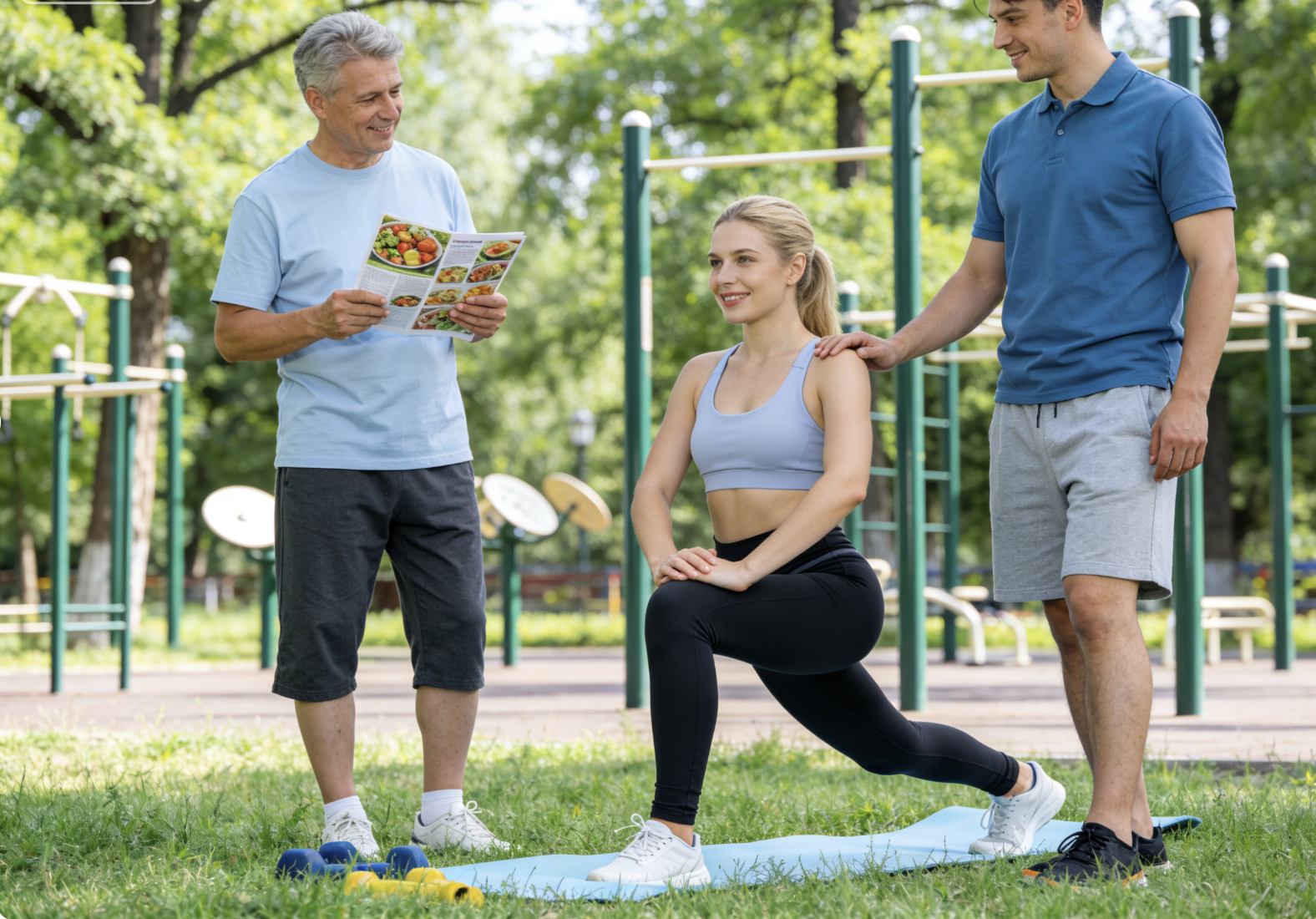
Reduced-sugar egg and soy products: Baked mushrooms and quail eggs, Mapo tofu, and braised tofu with salted egg yolk.
This section offers several low-sugar dishes primarily made with eggs and soy products. These include baked mushrooms and quail eggs, omelet with nameko mushrooms and cilantro, salted egg yolk tofu soup, Mapo tofu, and preserved egg tofu, all of which are nutritious and low in sugar.
2026-05-18
Why are people who do mental work more prone to weight gain? The brain prefers glucose.
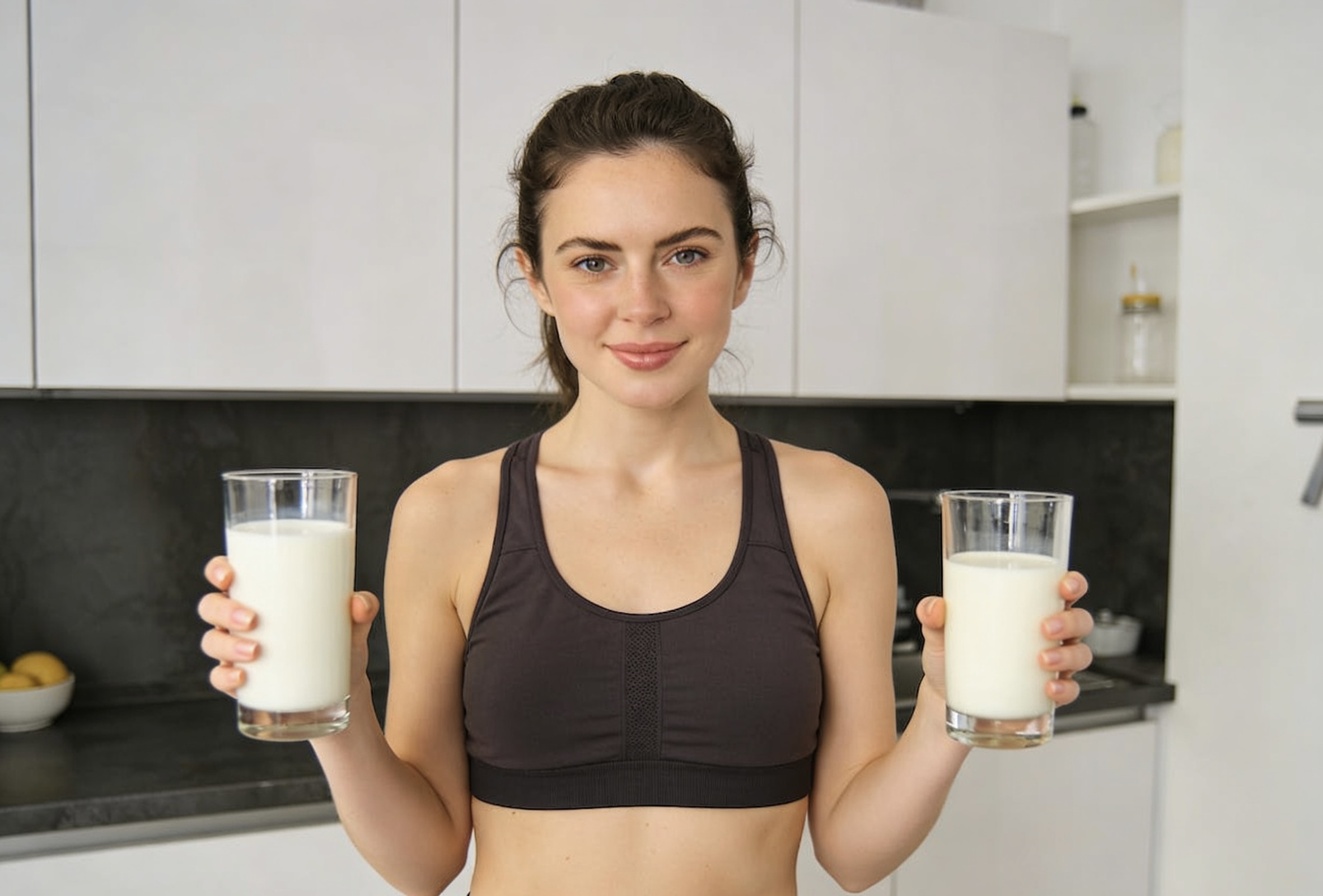
Mental laborers tend to gain weight the busier they are because their brains have an extreme preference for glucose. Intense mental activity consumes a large amount of blood sugar, leading to increased hunger and appetite. However, insufficient muscle activity prevents the burning of dietary fat, causing it to accumulate. Worse still, consuming high-glycemic index refined grains and sweets...
2026-05-22
Article 44: Fashionable Weight Loss – Water Jogging, Five Alternative Slimming Exercises, and Elastic Band Training (Basic Movements)
This article first introduces the popular American water jogging method for weight loss. Utilizing the resistance and buoyancy of water, it is especially suitable for obese individuals; 45 minutes of running in water is equivalent to 2 hours of running on land. It then introduces five alternative weight loss exercises: crawling, walking backwards, walking barefoot, handstands, and walking in...
2026-05-21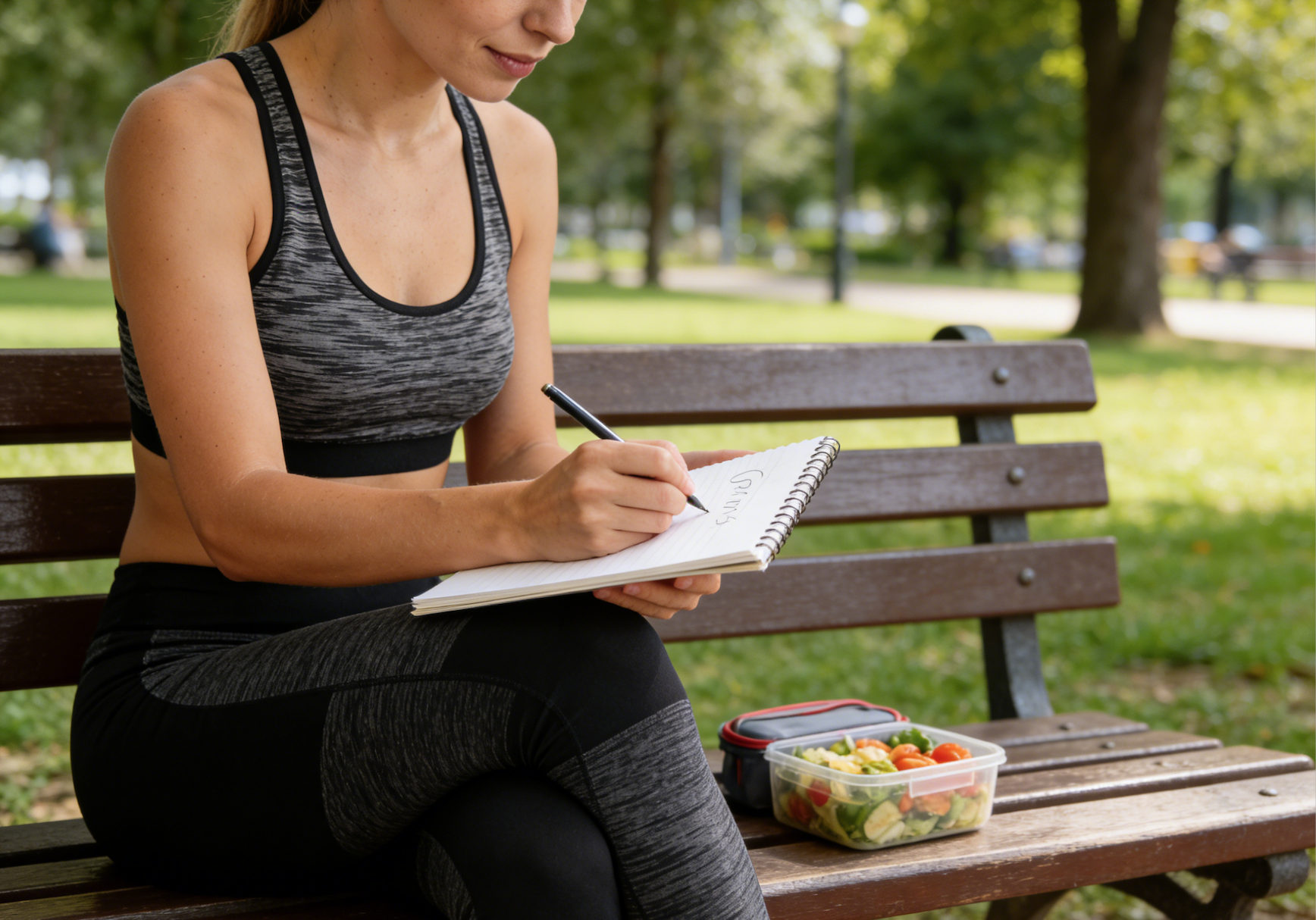
When weight loss meets body shaping: The essential difference between health fitness self-testing and weight loss/fat reduction
This chapter guides readers through a scientific self-assessment of their physical fitness to understand their own condition. The text clearly explains the fundamental difference between weight loss (reducing body weight) and body shaping (reducing body fat percentage and changing body shape), emphasizing the concept of body fat and methods for its healthy and rapid reduction, laying a correct...
2026-05-20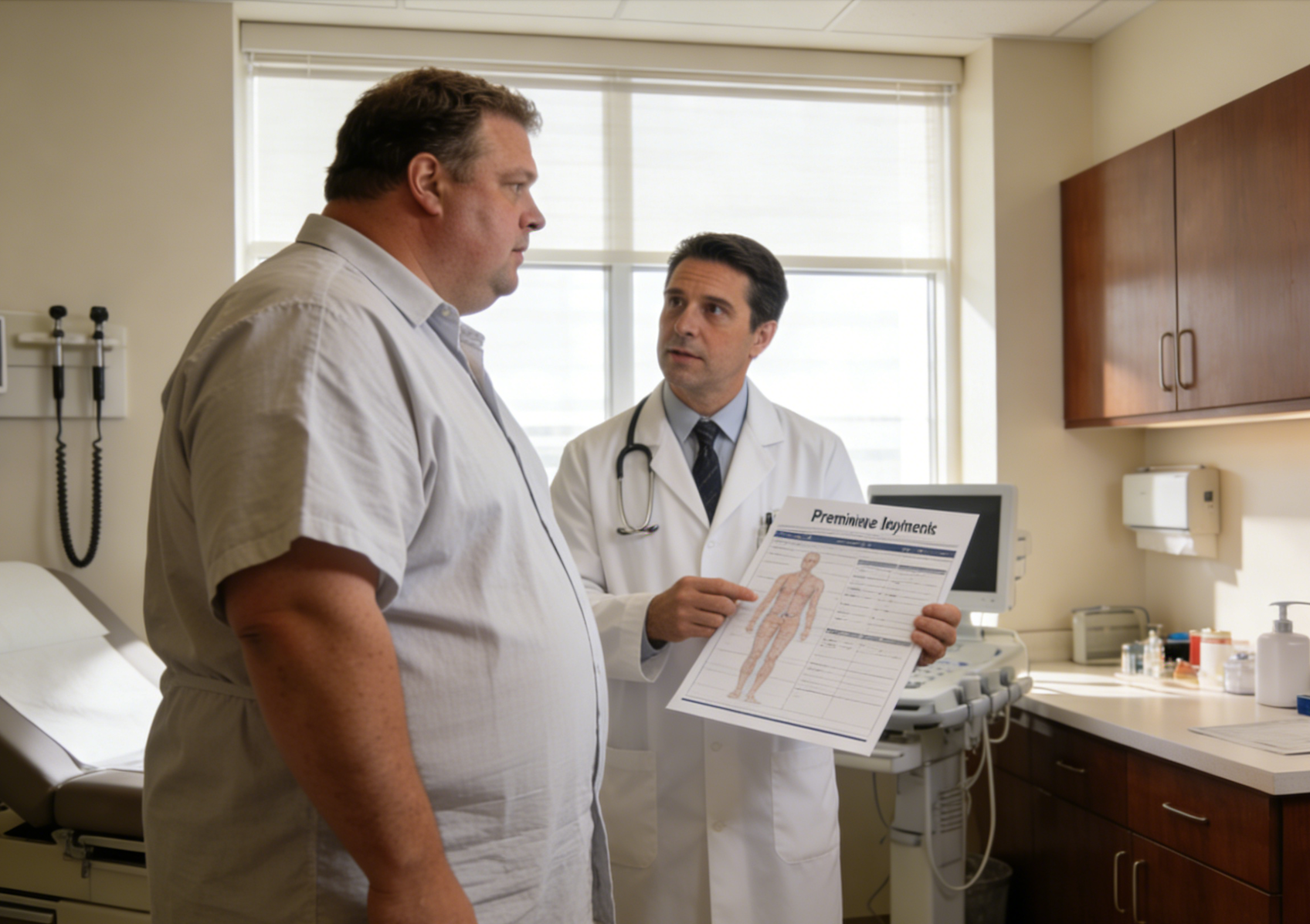
Maintaining your ideal figure after weight loss – jogging and its success rules
This article introduces the third stage of jogging for maintaining a good figure, including specific steps such as walking while jogging and gradually increasing the distance. It also provides six rules for successful weight loss through exercise: be prepared to endure hardship, maintain unwavering confidence, adjust your mindset, use music, pay attention to hygiene, and find a jogging partner...
2026-05-20
Get your whole body moving – ball games, jump rope, fast dance, and dumbbell exercises for weight loss.
This article introduces the full-body workout effects of ball sports (badminton, table tennis, etc.), four ways to jump rope and precautions, the enjoyable weight loss benefits of fast dancing, and specific techniques and methods for using dumbbells to tone arms and abdomen, enriching the choices of weight loss exercises.
2026-05-20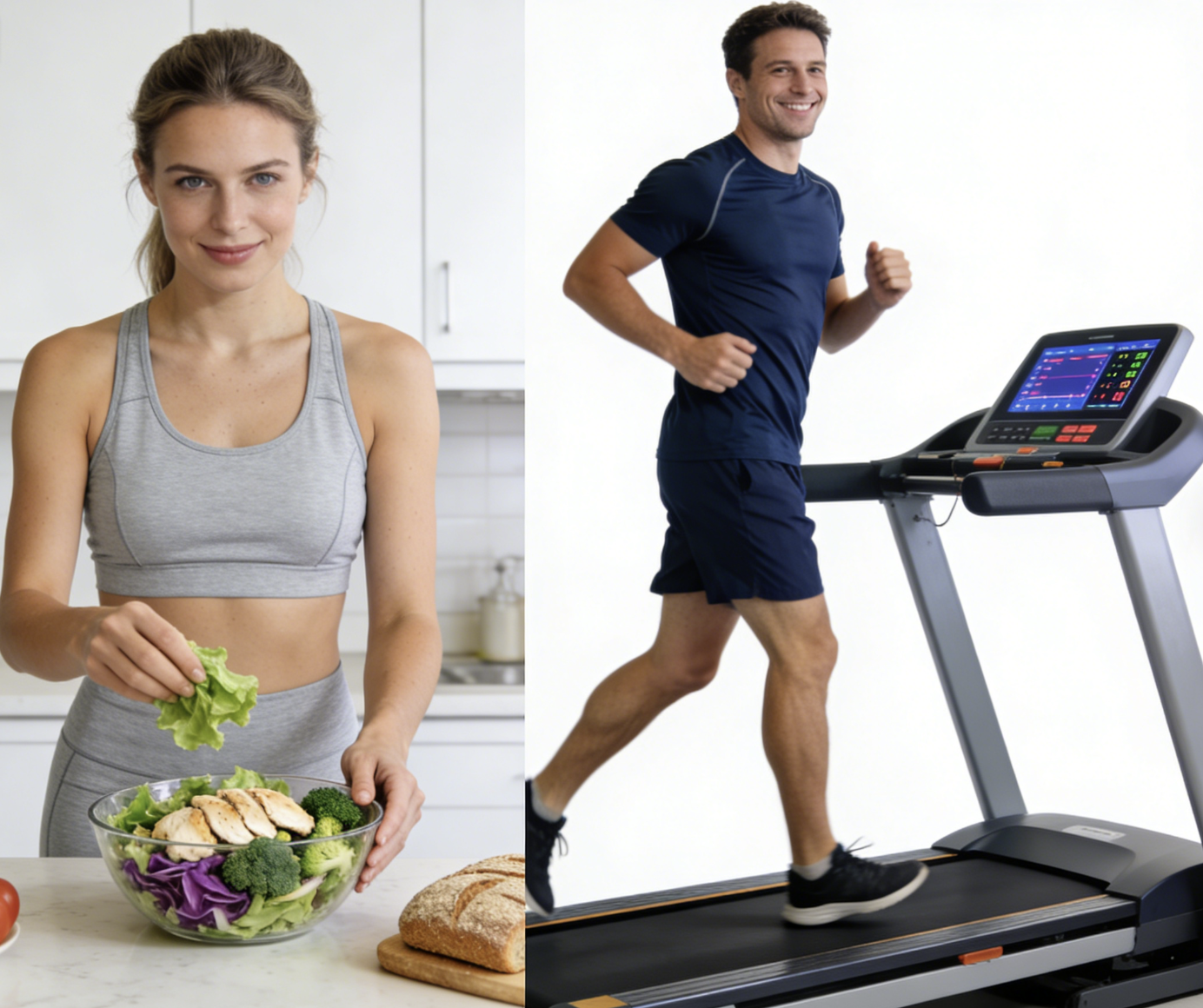
Aerobic exercise: Weight loss techniques for running, cycling, and swimming
This article introduces weight loss methods and precautions for three aerobic exercises: running (sculpting leg lines), cycling (burning fat with continuous cycling for 40 minutes or more), and swimming (a full-body exercise that works almost all muscles). Running provides three training methods (aerobic isokinetic, aerobic interval training, and anaerobic exercise); cycling emphasizes correct...
2026-05-12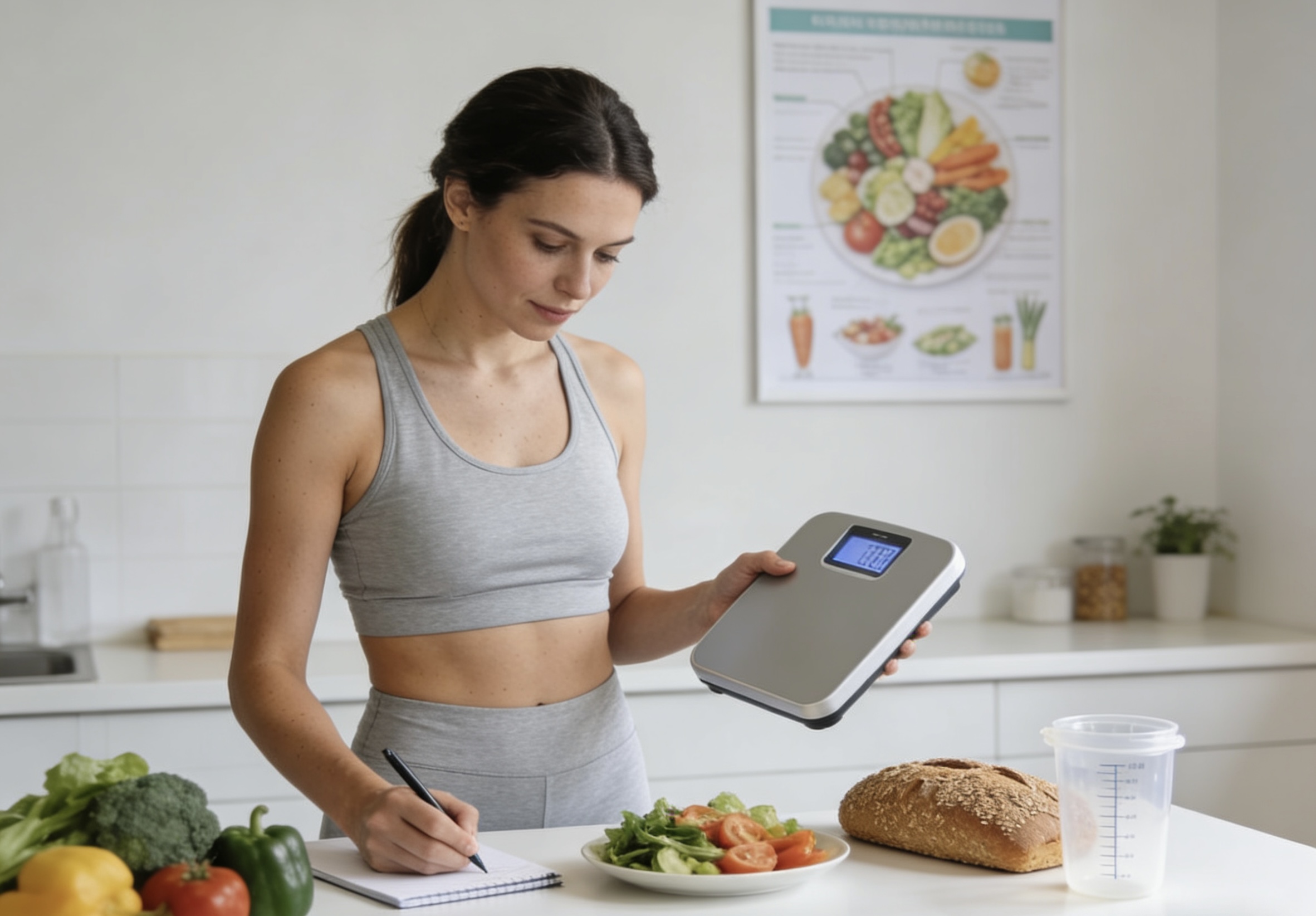
Article 22: Should You Not Exercise While Losing Weight? The Author's Counterintuitive Advice
The author offers three counterintuitive pieces of advice: First, don't unnecessarily lower your calorie intake; eating too little can actually slow down your metabolism. Second, don't deliberately exercise, as exercise may increase appetite and is difficult to maintain; during weight loss, controlling your diet is the key. Third, keeping a calorie record is more important than restricting...
2026-05-11
Walking is more effective for weight loss than jogging, while abdominal exercises cannot reduce abdominal fat.
Walking utilizes body movement and burns 2-3 times more calories than jogging, resulting in better weight loss. Sit-ups burn very few calories, and abdominal fat decreases along with overall body fat; therefore, abdominal exercises alone cannot eliminate a protruding belly.
2026-05-10
Weight loss requires perseverance, and there are misconceptions about walking being better than jogging and abdominal exercises.
Weight loss requires long-term commitment because fat cells can refill. Walking burns 2-3 times more calories than jogging. Sit-ups cannot reduce abdominal fat alone, as fat reduction is systemic, and sit-ups burn a limited number of calories.
2026-05-09
Skipping rope for weight loss: a highly efficient aerobic exercise that requires little time and consumes a lot of energy.
Jumping rope continuously for 10 minutes is equivalent to jogging for 30 minutes, making it a time-efficient and energy-intensive aerobic exercise. The article introduces various methods such as single-leg jump rope, side-to-side swinging, and high-knee jump rope. Jumping rope can reduce fat in the legs, hips, and waist, and enhance cardiovascular and nervous system function.
2026-05-08
14. Emotions, diet, work and rest, beauty, and the application of meridian theory
This article explores the mechanisms by which emotions (seven emotions), improper diet, and work-rest imbalance damage appearance and physique. It also introduces the theory of meridians, elucidating their central role as channels for qi and blood in beauty treatments, and analyzes the physiological functions and therapeutic indications of the lung, heart, large intestine, and triple burner...
2026-05-07
Chapter 3 (Part 2): How to lose weight? First, ask yourself how you want to lose weight.
The author proposes that the core of weight loss is "eat less and move more," but the specific method should be chosen according to personal preference. She lists common excuses such as "I can't lose weight because I'm working," "I don't have time because I'm studying," and "I'm too busy taking care of children" and refutes them one by one, encouraging readers to find opportunities to lose...
2026-05-06
Beware of "fat loss" traps and the health risks of rapid weight loss.
The article continues to analyze the potential new diseases or sports injuries that may result from seemingly healthy "fat and weight loss." It also emphasizes that faster weight loss is not necessarily better; excessively rapid weight loss can lead to problems such as loose skin, osteoporosis, and endocrine disorders. Furthermore, it provides recommendations for relatively safe weight loss...
2026-05-05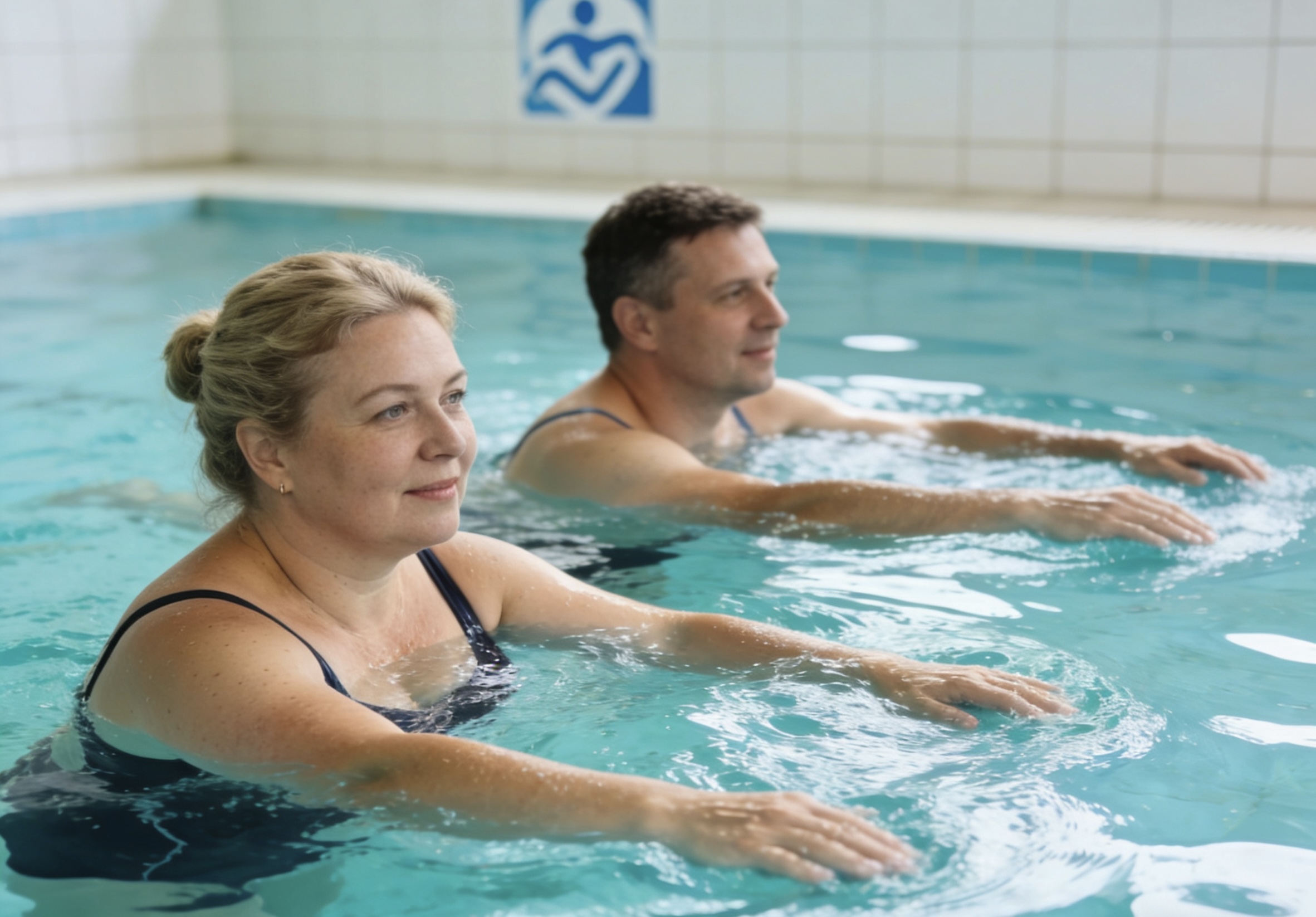
Article 17: The Truth About Fat Burning Through Exercise and Post-Exercise Eating Principles
Exercise burns fat from the start, with low-intensity aerobic exercise being even better. Proper post-workout nutrition won't hinder weight loss, but calories should be deducted from regular meals. Exercise should not sacrifice sleep.
2026-05-04
Article 21: Taking the stairs instead of the elevator
Weight loss doesn't have to rely on difficult-to-maintain planned exercise (like going to the gym). This chapter emphasizes adding supplementary exercises: walking, climbing stairs, standing, doing housework, etc. These small changes are easy to stick to, and the cumulative effect over time is amazing.
2026-05-03
Exercise Types and HIIT: The Weight Loss Advantages of High-Intensity Training
Types of sportsAfter moving to Seattle, I gained weight around my stomach and waist for the first time in my life (I can't write a weight loss book while gaining weight). I found it strange because since moving to Seattle, I've been going to the gym more often than ever before! But in order to build muscle, I've also been eating a lot, and I haven't played basketball in a long time-the longest...
2026-05-02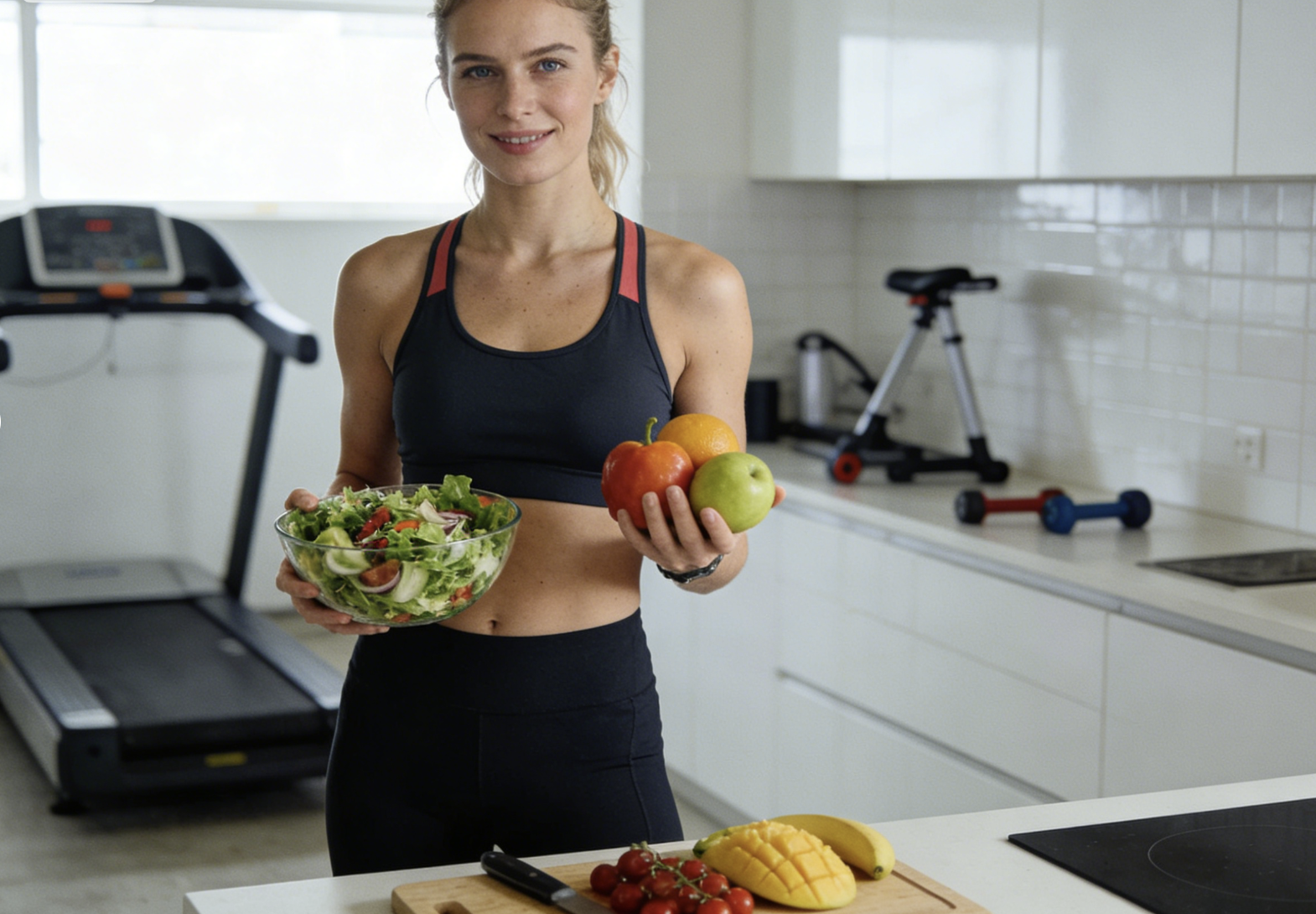
Part 4: The Root Cause of Obesity – Impure Blood and the Birth of a Hundred Diseases
Obesity stems from impure blood. Overeating, lack of exercise, and low body temperature can all cause blood to become viscous and impure, hindering circulation and leading to various diseases. Blood stasis, bad breath, and rashes are important signs of impure blood.
2026-05-01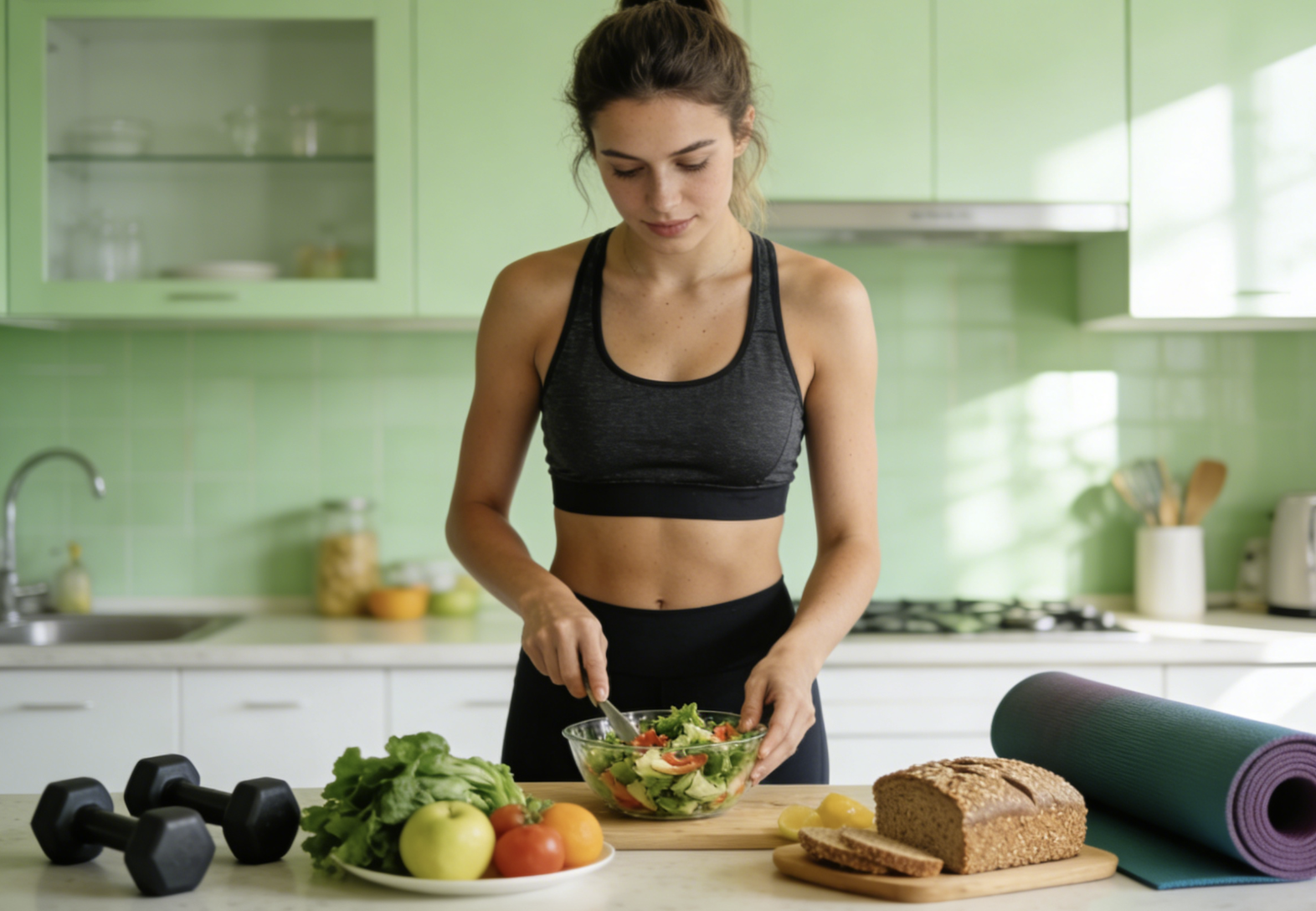
Principles of exercise for weight loss and suitable exercise programs for women
This section outlines the principles for weight loss through exercise, including choosing activities that interest you, appropriate exercise intensity, consistency, and combining exercise with a proper diet. It also lists suitable exercises for women's weight loss, such as walking, jogging, swimming, and skipping rope, along with their characteristics.
2026-04-30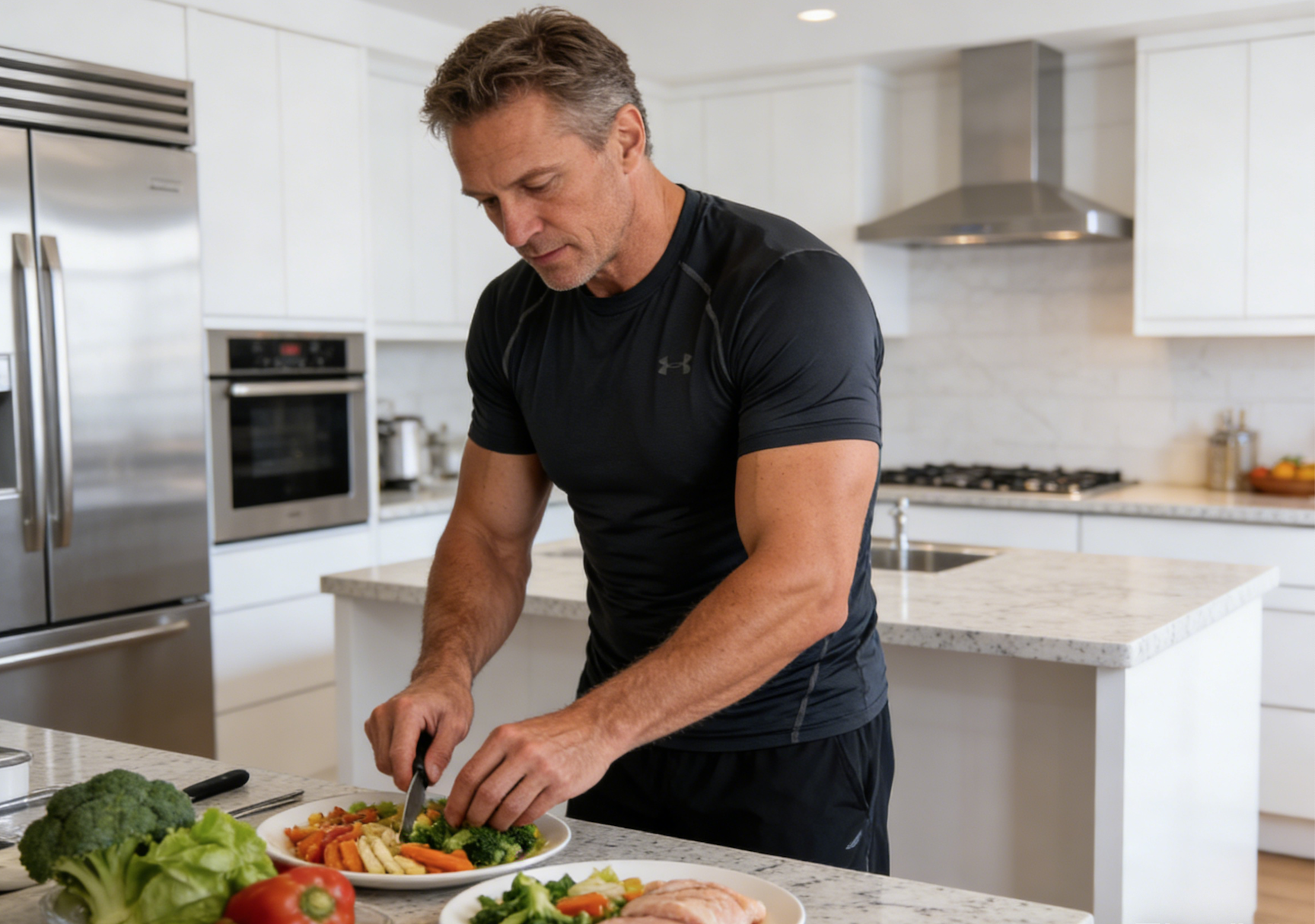
Not only do you need to lose weight, but you also need to sculpt a firm and toned physique: Dumbbell exercises for beginners
The author weighs 68 kg and wears size 30 pants. She bought 1 kg dumbbells and a sandbag and started doing dumbbell exercises at home. She pointed out that after losing weight, the body lacks flexibility and needs muscle training to sculpt a toned physique. For beginners, dumbbell exercises are more suitable than gym equipment, but it's important to maintain proper form.
2026-04-29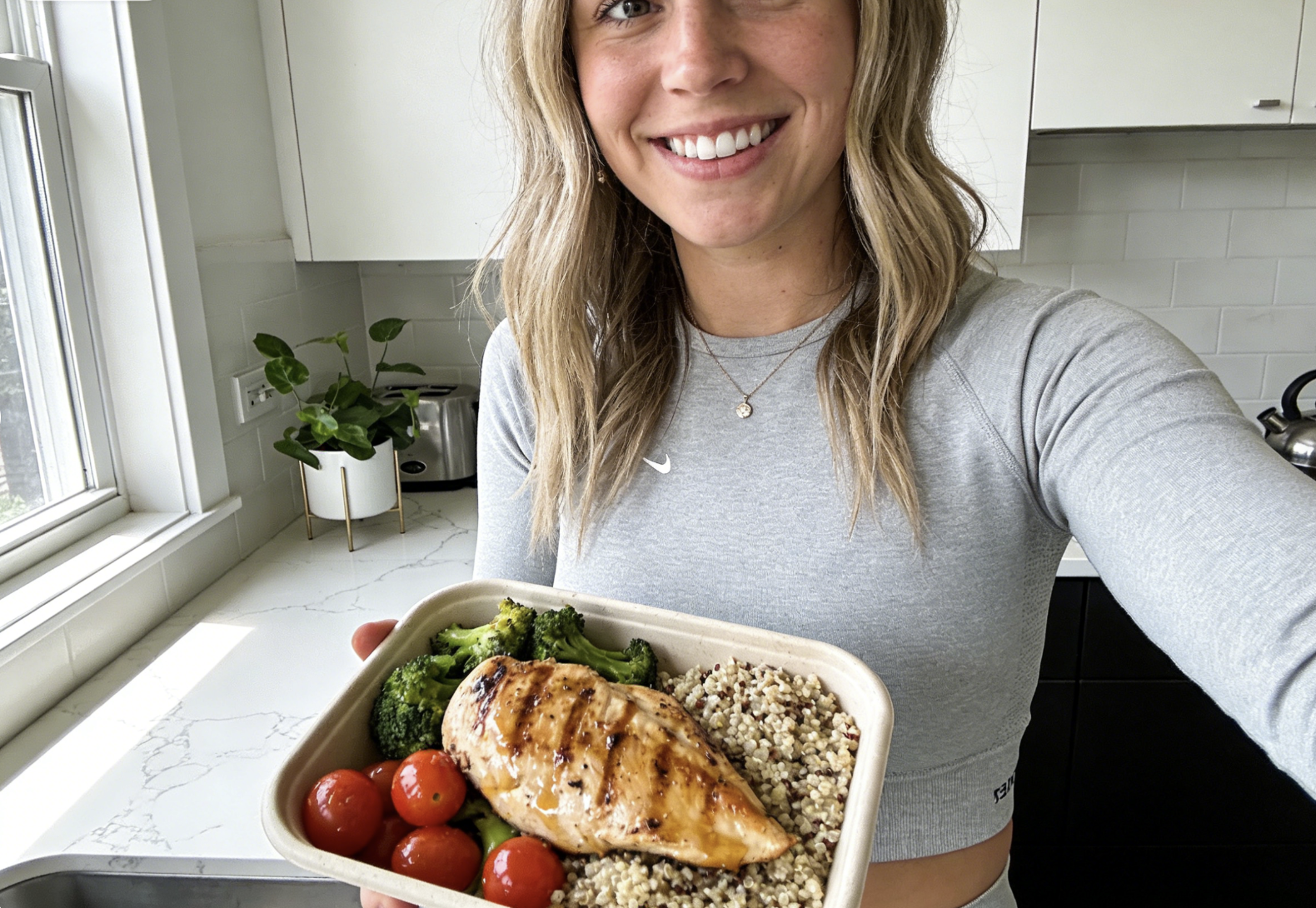
Calorie counting and exercise are the best ways to lose weight.
This chapter emphasizes the importance of learning to calculate calories and understanding the balance between daily intake and expenditure. It points out that although exercise is slow to show results, it burns fat and improves physical condition, and is key to overcoming weight loss plateaus (adaptation). It should be combined with dietary control.
2026-04-28
Fitness Exercises for Men: Scientific Exercise Guidelines for Different Age Groups
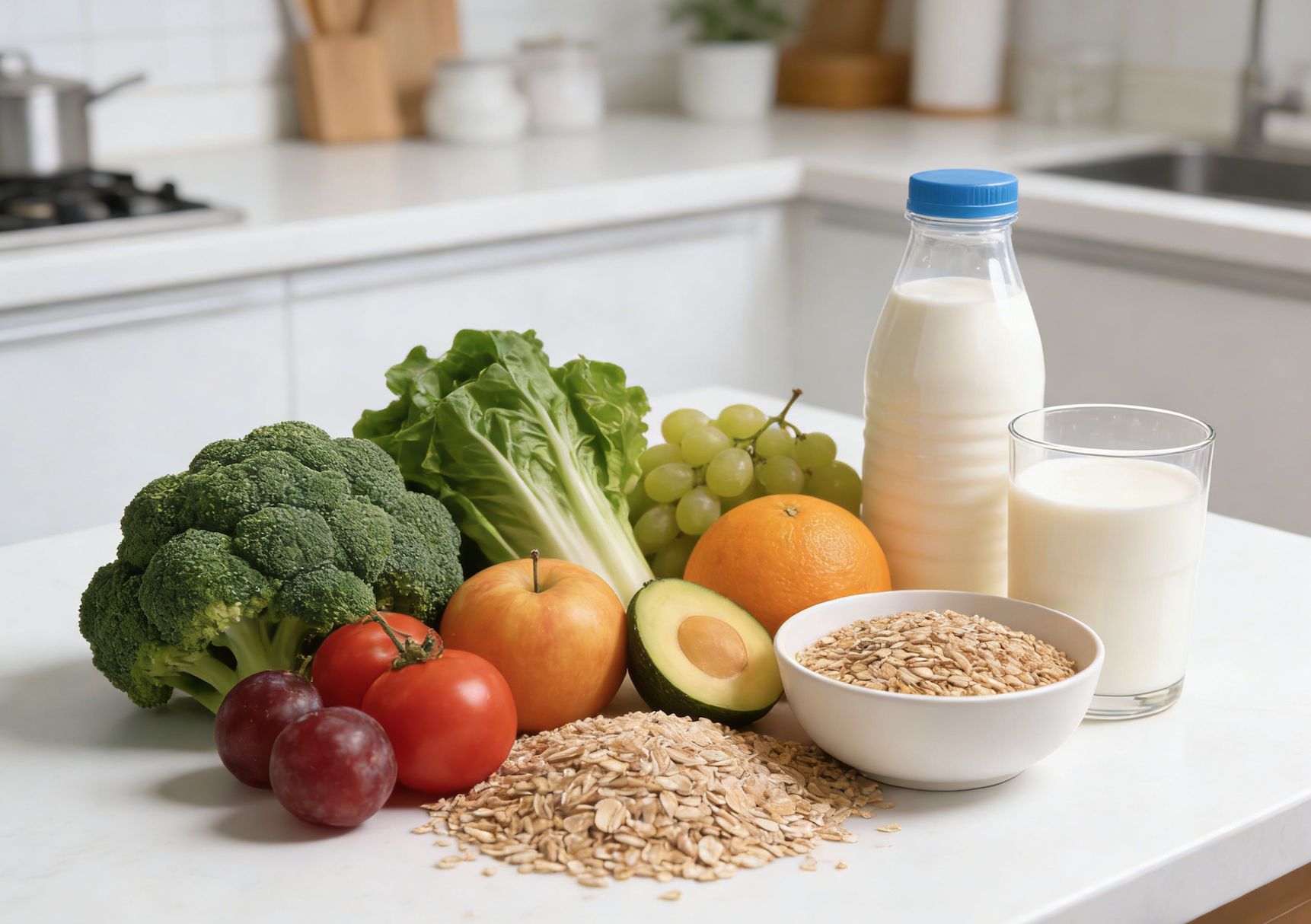
This article emphasizes the importance of scientific exercise for men's health and provides specific fitness guidance tailored to the physiological characteristics of different age groups. It points out that teenagers should engage in more running and jumping exercises to promote bone growth; middle-aged people need to prevent cardiovascular disease through exercise and should incorporate...
2026-05-22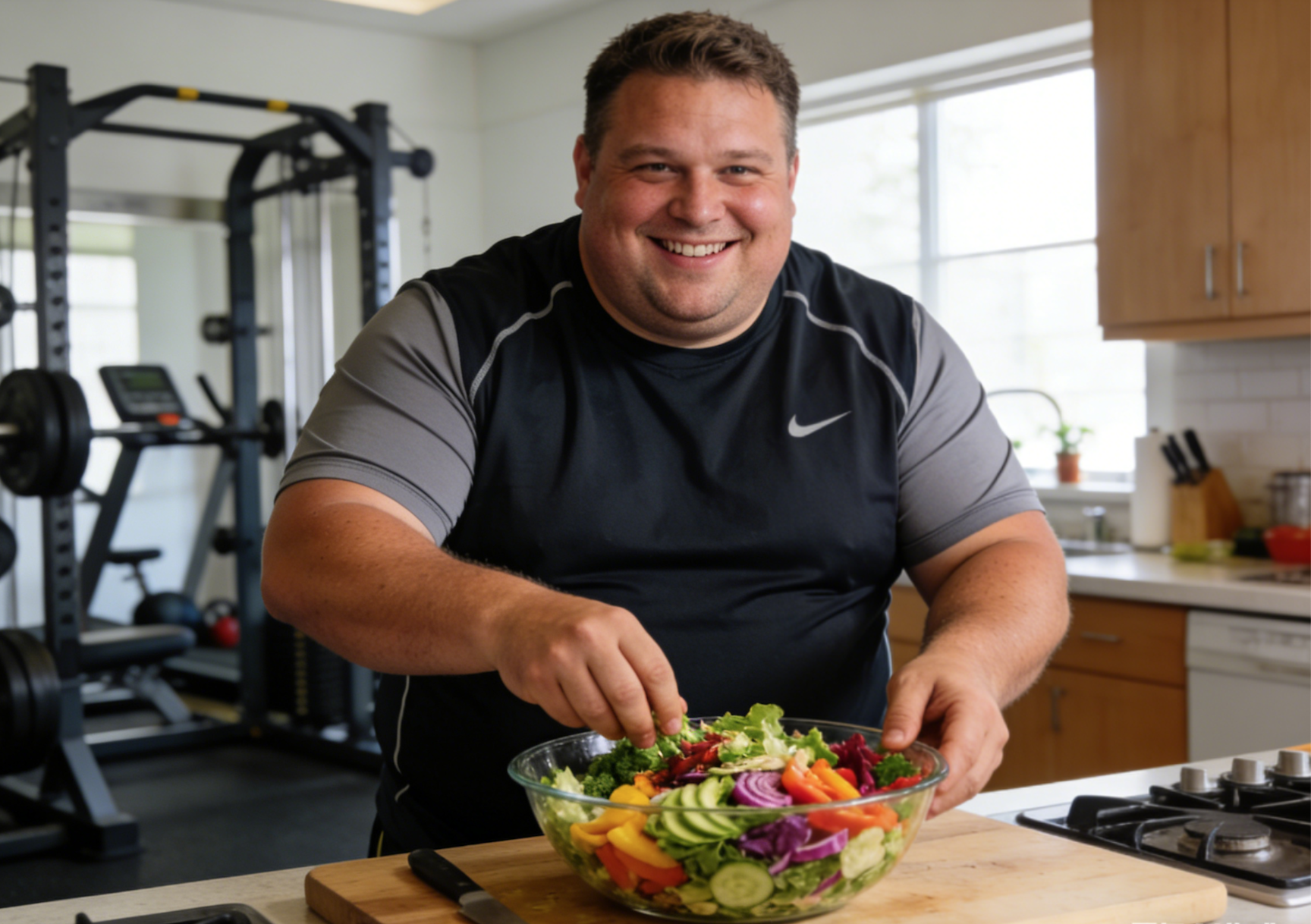
**The Wisdom of Chewing Slowly: From Savoring to Controlling Appetite**
People who eat quickly tend to eat more because it takes 10-20 minutes for the feeling of fullness to be transmitted. Chewing slowly not only prevents overeating but also promotes saliva production. Saliva contains parotid hormones that can prevent aging and remove carcinogens. Chewing slowly is also beneficial for brain development and may help prevent dementia. The article provides several...
2026-05-22
How to maintain weight loss results: Q&A session 5
This article answers questions about how to maintain weight after weight loss, how much rebound is considered a rebound, appetite disorders after rapid weight loss, and fear of calories, and provides suggestions on resuming a normal diet, supplementing nutrition, and seeking psychological help.
2026-05-21
The secret to eliminating hunger: eat when hungry and choose the right foods.
This article proposes a counterintuitive yet effective weight loss principle: eat immediately when you feel hungry to avoid overeating later. The author lists numerous low-calorie foods that quickly create a feeling of fullness, such as vegetable soup, boiled eggs, and skim milk. It also introduces methods for eliminating hunger using pure protein and carob pectin, emphasizing that you should...
2026-05-21
Various forms of exercise for weight loss – How to choose the right exercise for you
This article introduces how to choose exercise programs based on different ages and physical conditions: young people can choose aerobics, long-distance running, swimming, etc.; middle-aged people can choose jogging, table tennis, etc.; and the elderly can choose walking. It also elaborates on the weight loss principles and specific methods of aerobics, walking, swimming, cycling, and other...
2026-05-20
21. Pineapple Recipes (Part 2): Super Popular Pineapple Recipes, Great for Cooking and Soup
Pineapple can be made into delicious dishes such as pineapple fried rice, bitter melon and pineapple chicken soup, pineapple and black fungus salad, pineapple and lean pork porridge, pineapple and prawn soup, and pineapple, black fungus, and goji berry sweet soup. Adding pineapple to dishes can tenderize meat and add a sweet and sour flavor. It's best to eat pineapple after meals to avoid...
2026-05-20
Obesity prevention measures: social health education and three-tiered prevention
This article focuses on obesity prevention measures, including long-term social health education, market supply, a three-tiered prevention strategy, and specific prevention methods for children, middle-aged, and elderly individuals. It emphasizes the importance of early detection, early treatment, and health education.
2026-05-10
Qigong Meditation and Traditional Chinese Medicine Weight Loss Methods (Part 1): Traditional Chinese Medicine's Understanding of Obesity
This article introduces a Qigong meditation method-focusing on the Gongsun acupoint-for weight loss. It then moves on to traditional Chinese medicine (TCM) weight loss methods, explaining TCM's understanding of the etiology and pathogenesis of obesity, including seven major factors: diet, constitution, gender, age, emotions, work-rest balance, and disease. It emphasizes the close relationship...
2026-05-10
Walking for weight loss: The correct walking posture – rolling from heel to toe
This article details specific techniques for walking as a weight loss exercise: adopting correct posture (standing upright, leaning forward), rolling from heel to toe, appropriate hip movement, and arm swinging. It also provides suggestions for beginners: start slowly, increase by 10% each week, walk with your head up, and vary the terrain.
2026-05-09
The principle of perseverance in exercise and the scientific selection of sports.
Weight loss and fitness are lifelong pursuits, and only regular exercise can lead to accumulated health benefits. The choice of exercise should progress from easy to difficult, focusing primarily on aerobic exercise, and should be tailored to individual factors such as age, physical condition, and health status.
2026-05-09
Self-massage for leg slimming and precautions
Leg massage: Rubbing method: Rub from the root of the thigh to the ankle and back; tapping method: Tap with your fist; rubbing method: Rub with the tiger's mouth (the space between your thumb and forefinger) together; supine leg raises and kicks. Precautions for massage: Massage 2 hours before or after meals; ensure the room is well-ventilated; trim your nails; do not massage during...
2026-05-08
27 Unique Weight Loss Methods (Part 1): Airbag to Hot Air Weight Loss Method
Introducing 18 novel weight loss methods: Inhaling airbags to create a feeling of fullness; sprays to reduce taste; waist belts for massage and sweating; slimming creams to break down fat; saunas for sweating; hypnosis to strengthen the will to diet; slimming face masks containing fiber; blowing air to suppress appetite; jet lag to coincide with peak metabolism; acupuncture to stimulate...
2026-05-08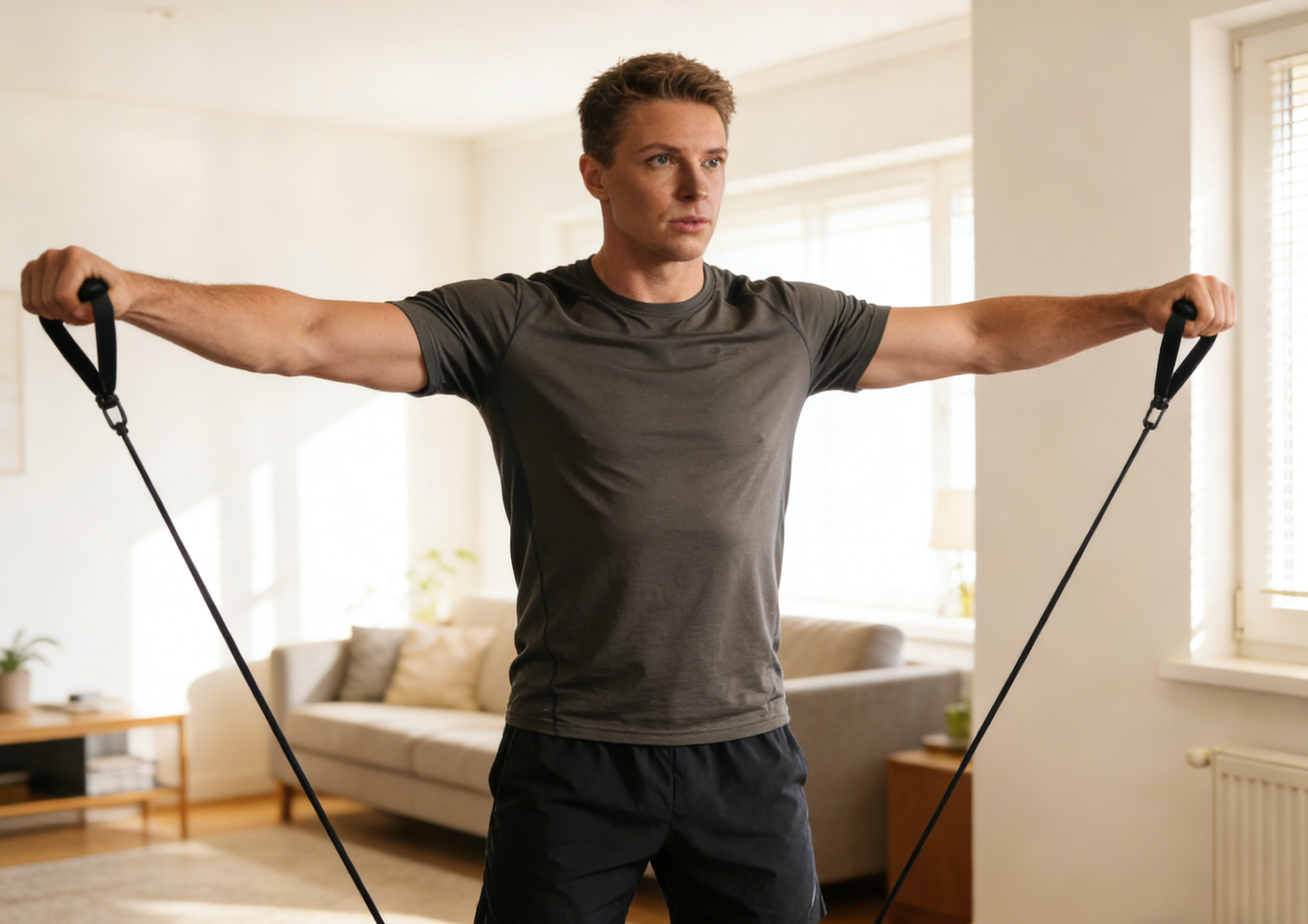
Article 100: Analysis of Famous Jiangsu Dishes (Dishes 1-5): Clear Broth Sea Cucumber, Chicken Wrapped in Shark Fin, Chicken Congee with Fish Maw, Braised Grass Carp, Frog-Style Yellow Croaker
This article begins with an analysis of famous Jiangsu dishes. Sea cucumber in clear broth is scored with intricate cuts, resulting in a delicious and flavorful soup; chicken stuffed with shark fin is steamed with shark fin stuffed into the chicken's cavity; chicken porridge with fish maw is a chicken porridge with fish maw added; grass carp is drained, the tail is removed, and then braised,...
2026-05-07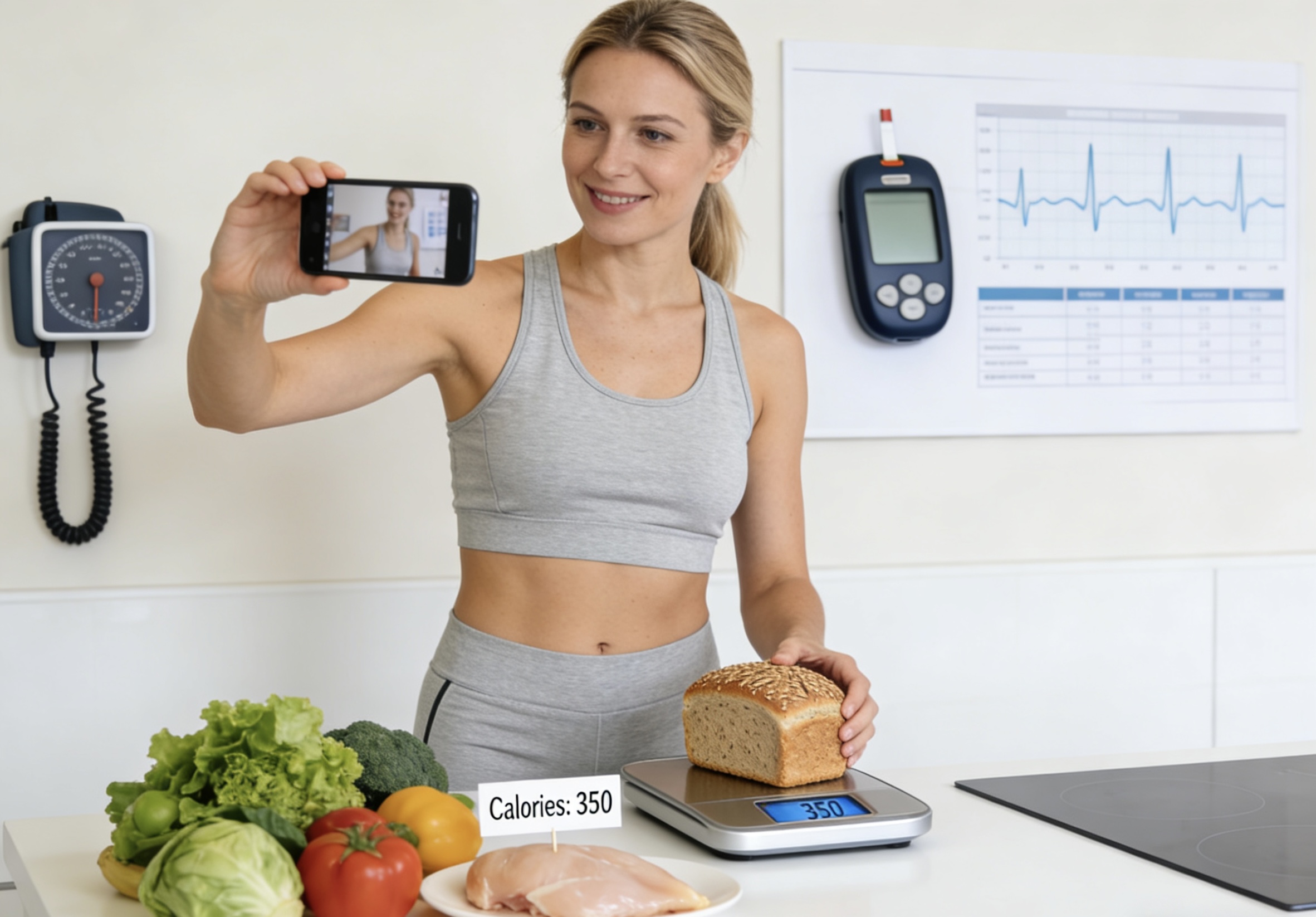
Article 97: Analysis of Famous Cantonese Dishes (Dishes 36-40): Crispy Fried Beef Tenderloin, Beef with Oyster Sauce, Seven-Color Stuffed Pork Tripe, Tai Chi Hawthorn Milk Pudding, Four Treasures Fried Milk
This article analyzes five famous Cantonese dishes. Crispy Fried Beef Tenderloin is coated in batter and deep-fried, resulting in a crispy exterior and tender interior; Oyster Sauce Beef is a stir-fried dish, with oyster sauce enhancing the flavor; Seven-Color Stuffed Pig Stomach is a cold dish, with various fillings stuffed inside the pig stomach; Tai Chi Hawthorn Milk Dew is a dessert, with...
2026-05-07
Article 88: Analysis of Famous Shandong Dishes (Dishes 41-45): Boshan Tofu Box, Stir-fried Three Mud Dishes, Agate Ginkgo, Braised Whole Chicken, Chicken and Scallop Salad
This article analyzes five famous Shandong dishes. Boshan Tofu Box is a famous dish from Zibo, where tofu is fried, hollowed out, filled, and then steamed; Stir-fried Three Muds is a sweet dish, with lotus seeds, chestnuts, and hawthorn cakes stir-fried separately and then arranged on a platter; Agate Ginkgo is a candied sweet dish, where ginkgo nuts are fried and then coated with syrup;...
2026-05-06
Article 86: Analysis of Famous Shandong Dishes (Dishes 31-35): Scallop and Winter Melon Balls, Chicken and Fish Bone Salad, Pan-fried Yellow Croaker, Braised Pork Knuckle with Black Bean Sauce, Braised Crucian Carp with Black Bean Sauce
This article analyzes five famous Shandong dishes. Scallop and Winter Melon Balls emphasize the tenderness of the scallops and the gravy; Chicken and Fish Bones require steaming before being coated with chicken and poached; Pan-fried Yellow Croaker is cooked over medium-low heat; Yuanbao Pork Knuckle is first fried and then steamed until tender and flavorful; Braised Crucian Carp with Black...
2026-05-06
Stress Relief and Emotional Eating: A Complete Solution from Relaxation to Balanced Calories
This article continues to offer strategies for dealing with emotional eating: taking time to relax, injecting passion into life, eating every four hours, doing things with your hands, reducing food intake, stopping yourself before taking a bite, balancing calories, eliminating high-risk situations, and changing your mindset, to help readers comprehensively manage their emotions and eating habits.
2026-05-05
Article 77: Analysis of Famous Sichuan Dishes (Dishes 36-40): Spinach Dumplings with Chicken Cake, Garlic Scallops, Steamed Turtle Skirt, Steamed River Catfish, and Home-Style Sea Cucumber
This article analyzes five famous Sichuan dishes. Spinach Dumplings with Chicken Cake is a dish with a distinctive presentation, emphasizing the use of spinach juice and steaming; Garlic and Dried Scallops require steaming and reducing the sauce; Steamed Turtle Skirt highlights the original flavor and removes any fishy smell; Steamed River Catfish preserves the tenderness of the fish; and...
2026-05-05
Article 39: Types of Thickening Sauces, Thickening Methods (Cooking Sauce, Simmering Sauce, Pouring Sauce) and Precautions
This article continues the explanation of thickening techniques. It introduces various types of thickening sauces, including coating, paste, glossy, and rice water thickening, as well as three methods: cooking sauce, simmering sauce, and pouring sauce. It summarizes key considerations for thickening, such as heat, amount of oil, and timing.
2026-05-04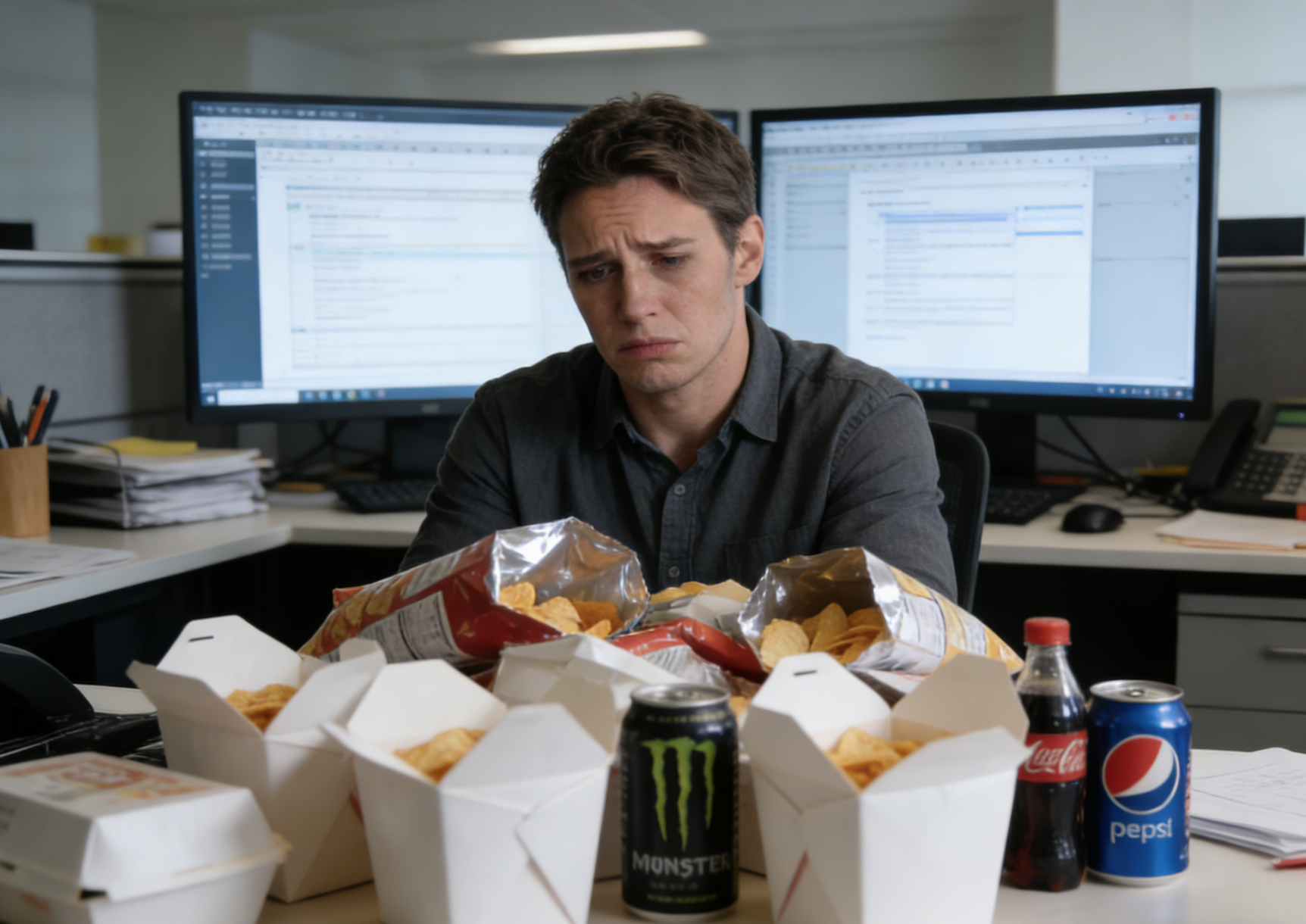
Part 4: Surgical Outcome Evaluation, Postoperative Precautions, and Dispute Resolution
This article explains how to correctly evaluate the effects of cosmetic surgery, including principles such as objective requirements, minimal trauma, and good prognosis. It also details postoperative care, including rest, diet, medication, and site protection, emphasizing the importance of timely follow-up appointments and providing advice on handling unexpected events or disputes.
2026-05-04

Advantages of Traditional Chinese Medicine for Weight Loss, Commonly Used Chinese Herbal Preparations for Weight Loss, and Commonly Used Weight Loss Formulas
This article elucidates the advantages of Traditional Chinese Medicine (TCM) for weight loss (treating both the symptoms and root cause, no side effects, and simultaneously regulating blood lipids and blood pressure). It introduces several commonly used TCM weight loss preparations, such as Qing Shen Jian Shou Pian (Light Body Slimming Tablets), Ti Ke Qing (Light Body Weight Loss), slimming...
2026-05-23
The Dangers of Obesity and Scientific Weight Loss Concepts – An Introduction by a Weight Loss Expert
This article reveals the serious harm that obesity poses to health, including cardiovascular disease, diabetes, and dementia. It also points out the drawbacks of incorrect weight loss methods and emphasizes the importance of scientifically and rationally planning a weight loss program, thus establishing correct concepts about fat reduction for readers.
2026-05-22
Say goodbye to the illusion of quick results: Weight loss is a marathon that requires long-term commitment.
This article criticizes the popular "2-week/4-week diet," pointing out that this rapid weight loss method does not actually reduce fat and is highly prone to rebound. The article explains the physiological reasons why rebound is more pronounced with age and advocates for a slow, sustainable lifestyle change, emphasizing starting with adjusting one's environment and eating habits to lay a solid...
2026-05-21
Choosing the right weight loss method: Understanding various weight loss therapies
This section introduces the advantages and disadvantages of various weight loss methods, including low-calorie diets combined with exercise, weight loss medication, surgical weight loss, traditional Chinese medicine weight loss, and phototherapy weight loss. Experts emphasize that weight loss is a medical procedure and should be carried out under the guidance of a professional physician.
2026-05-20
Four Body Types for Weight Loss: Stomach Heat and Dampness Obstruction, Spleen Deficiency and Dampness Obstruction, Liver Qi Stagnation, and Liver and Kidney Yin Deficiency
According to Traditional Chinese Medicine (TCM) theory, obesity is classified into four constitutions: stomach heat and dampness obstruction, spleen deficiency and dampness obstruction, liver qi stagnation, and liver and kidney yin deficiency. Symptoms, commonly used medicinal herbs, and suggested prescriptions are provided for each constitution to help with targeted weight loss.
2026-05-08
3. Weight loss aids: Western medicine, exercise, and surgical treatment.
This chapter lists foods such as honey and winter melon that can help with fitness and weight loss. It then introduces Western medicine weight loss methods such as appetite suppressants, biguanides, and thyroid hormones. Furthermore, it details the intensity, types, and precautions of exercise therapy, and introduces the indications and routine methods of surgical weight loss.
2026-05-05
Part 1: Introduction - Striving for a Pair of Straight and Slender Legs
In his preface, Dr. Kim Jong-kwon, a South Korean leg expert, points out that beautiful lines have become a symbol of charm and confidence. He warns of the dangers of incorrect leg-slimming methods and categorizes leg problems into four types: pelvic curvature, leg curvature, edema, and excess fat, emphasizing that "treating the root cause" is the key to success.
2026-05-04
Examples of disease improvement: Significantly reduced side effects of leukemia medication; no hair loss or vomiting during chemotherapy for stomach cancer.
The case alleviated the severe side effects of leukemia medication.Four years ago, during a routine company health check, I was diagnosed with an abnormal white blood cell count. For a healthy person, the normal white blood cell count is 4,000 to 8,000 per cubic millimeter, but my white blood cell count exceeded 90,000. No wonder I felt tired easily, and even a few days before the health...
2026-05-01
6. Detailed Explanation of Lesion Reaction Patterns and Back Cupping Therapy
This article explains the possible recurrence of old ailments during cupping therapy and its causes. It focuses on back cupping therapy, detailing the indications of back-shu points such as Feishu and Xinshu, as well as Huatuo Jiaji points, revealing their significant effects in regulating the five internal organs.
2026-04-30
15. Toxicology and Pathology Report from West China University of Medical Sciences: Kang Ershou is safe and non-toxic.
This article presents the results of acute toxicity tests, animal weight loss experiments, and liver pathology examinations conducted by West China Medical University. It confirms that the LD50 of Kangershou slimming tea is >10g/kg, with no acute toxicity; it can significantly reduce weight and triglycerides; liver pathology shows that hepatocytes in the high-dose group returned to normal,...
2026-04-29
Unhealthy ways to gain weight: Eating too much sugar, late-night snacks, junk food, and drinking alcohol.
This section continues to refute misconceptions about weight gain, pointing out that simply eating more sugar, increasing late-night snacks, eating more junk food, and drinking more alcohol are not only ineffective but may also damage digestive function. It also emphasizes that digestive aids should be used under the guidance of a doctor.
2026-04-28
Reasons why bathing for weight loss is ineffective and why weight loss drugs are not recommended
This section analyzes why bathing for weight loss is not always effective, pointing out that sweating alone reduces water weight rather than fat. It also emphasizes why weight loss drugs are not recommended, explaining why weight regain is common, that faster weight loss is not always better, and that not all women need to lose weight.
2026-04-27
Article 73: Foods for Lowering Lipids and Losing Weight: Apples, Hawthorn, Grapefruit, Strawberries, Lemons, Arborvitae Seeds, Pine Nuts, Lotus Seeds, Jujubes, Papaya, Plums
This section introduces the lipid-lowering effects of fruits such as apples, hawthorns, grapefruits, strawberries, and lemons, as well as the slimming effects of medicinal and edible products such as cypress seeds, pine nuts, lotus seeds, jujubes, papayas, and plums. It also emphasizes the positive effects of pectin, organic acids, and other components on fat metabolism.
2026-04-23
Vitamin B and Zinc: Athletes do not need additional supplementation.
This chapter continues the discussion on vitamin supplements. It points out that athletes do not need additional B vitamins and zinc, as a high-starch diet provides sufficient amounts. Excessive intake of vitamin B₃ can hinder fat burning, and excessive zinc can lower beneficial cholesterol.
2026-04-22
The Rise and Fall of Weight Loss Drugs: From Fenfen to Nometrine, Why Do Miracle Drugs Always Delay?
Weight-loss drugs have always been highly sought after, but a safe and effective one has yet to emerge. From amphetamines to fenpropathrin (which causes lung disease), to phenomenonine (which raises blood pressure) and xenical (which causes oily stools), each drug has serious side effects. New drugs such as rimonaban and locacillin are under development. Protein is a natural and safe appetite...
2026-04-10
Avoiding Pitfalls Scientifically: Unveiling the Health Side Effects of Improper Weight Loss Methods and the Four Core Advantages of the Menstrual Cycle Weight Loss Method
This article compares common, inappropriate weight loss methods on the market with their serious health consequences, such as ketoacidosis and malnutrition. It provides a detailed analysis of how the menstrual cycle weight loss method aligns with medical and health principles, effectively alleviating the mental stress associated with weight loss and resolving menstrual irregularities, making...
2026-04-06
The Pathological Truth Behind Diarrhea-Induced Weight Loss: Uncontrolled Water and Electrolyte Metabolism, Impaired Vitamin Absorption, and Threats to Cardiac Function
This article starkly exposes the enormous health pitfalls of using diarrhea as a means of weight loss. By analyzing the physiological phenomena caused by diarrhea, such as severe dehydration, cell shrinkage, and dull skin, the article delves into the microscopic mechanisms by which drugs like Xenical inhibit pancreatic lipase activity. It details deficiencies in fat-soluble vitamins (A, D, E,...
2026-04-02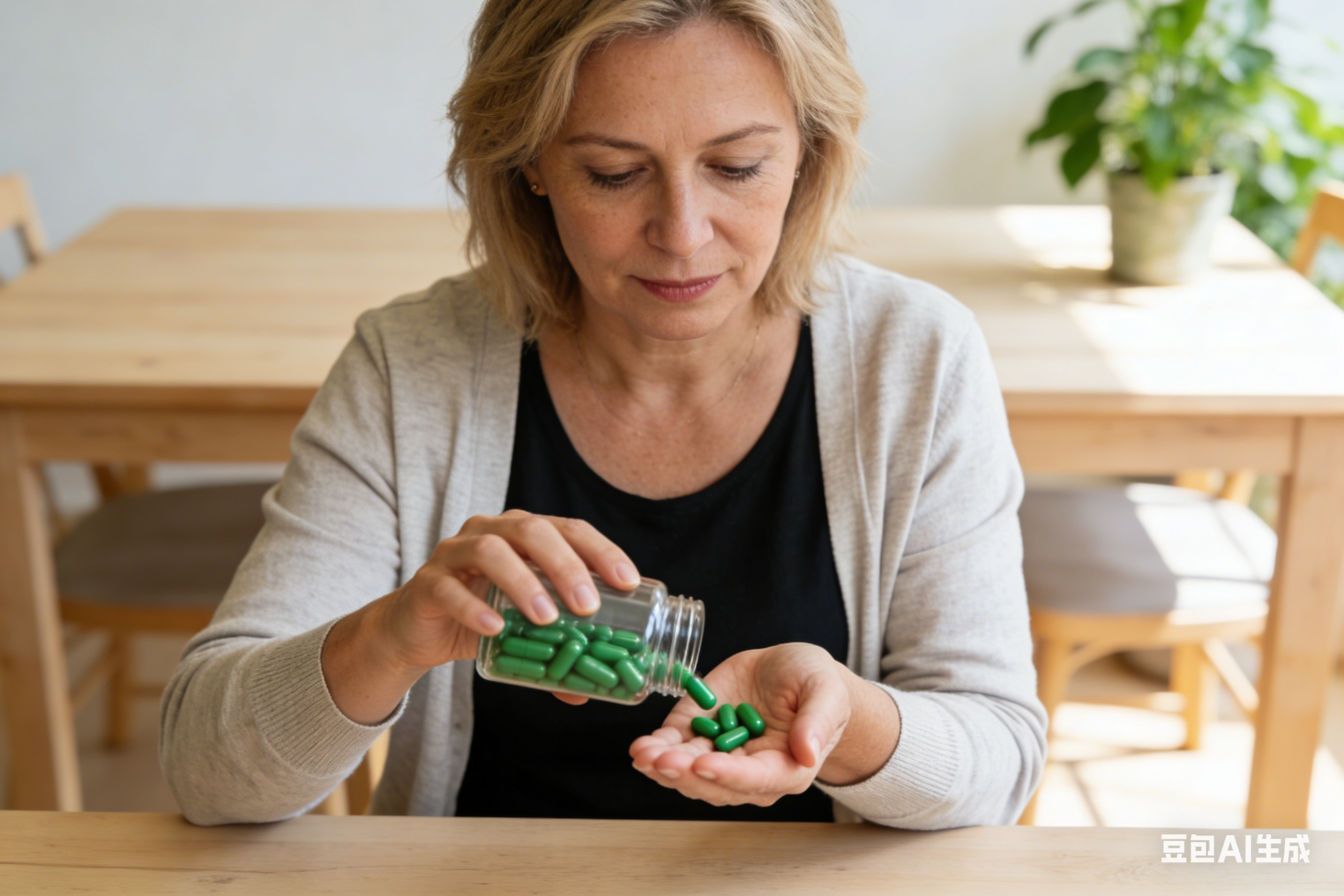
Weight Loss Caution: The Truth About Diet Pills' Risks and a Scientific Selection Guide
Many rely on diet pills for rapid weight loss, yet overlook their potential health hazards. This article analyses the mechanisms and dangers of various diet pills, helping you achieve your weight loss goals safely and rationally.
2026-03-25
Weight Loss Science: Explaining the Mechanism of Meal Replacement for Fat Reduction and Scientific Consumption Methods
Meal replacements can aid weight loss by controlling calorie intake, but improper consumption may harm health. This article analyses the logic and risks of using meal replacements for fat reduction, teaching you how to use them safely to achieve healthy and efficient weight loss.
2026-03-25
Analysis of side effects and absorption of fat grafting after liposuction
This article delves into the application of fat grafting surgery after weight loss, analyzing its side effects and fat absorption issues. It explains in detail how to reduce absorption through scientific methods to ensure long-lasting weight loss and body shaping results. It helps you fully understand the combined value of fat grafting and weight loss surgery to achieve your ideal body shape.
2026-03-25
Women's Intermittent Fasting Diet Plan: Week 4 Detailed Menu
This article provides the complete recipes for the fourth week of the women's intermittent fasting program. Day 1 of week 4 includes pork with basil sauce, yam and celery salad, and cherry tomato and mango juice; Day 2 includes stir-fried chicken breast with ginger and bell peppers, stir-fried cabbage, and red bean and water chestnut soup. Each dish is labeled with calories (if any) and...
2026-05-22
Intermittent Fasting Diet Plan for Women: Detailed Menu for Weeks 1 and 2
This article provides detailed recipes for the first and second weeks of a women's intermittent fasting diet. The first week includes black rice and mung bean porridge, shredded white fungus and three kinds of vegetables, shrimp and spinach salad, mung bean milk, vermicelli with spinach, and minced meat and egg custard; the second week includes avocado and spinach salad, bicolor cauliflower,...
2026-05-22
Women's Intermittent Fasting Diet Plan: Week 3 Detailed Menu
This article provides a complete menu for the third week of an intermittent fasting diet for women. Day 1 of the third week includes cream of mushroom soup, celery salad with vinegar, and seaweed omelet; Day 2 includes fruit oatmeal, spinach salad with sesame onions, and white radish soy milk. Each dish is labeled with calories (if any) and detailed instructions.
2026-05-22
Why choose to fast two days a week? Compared to other fasting methods?
This article compares the advantages and disadvantages of four-day fasting, alternate-day fasting, and two-day fasting per week. It focuses on explaining why choosing two non-consecutive days per week for intermittent fasting (the 5:2 model) is the most suitable, easiest to implement, and most effective method for modern lifestyles, and provides suggestions for choosing appropriate fasting days.
2026-05-21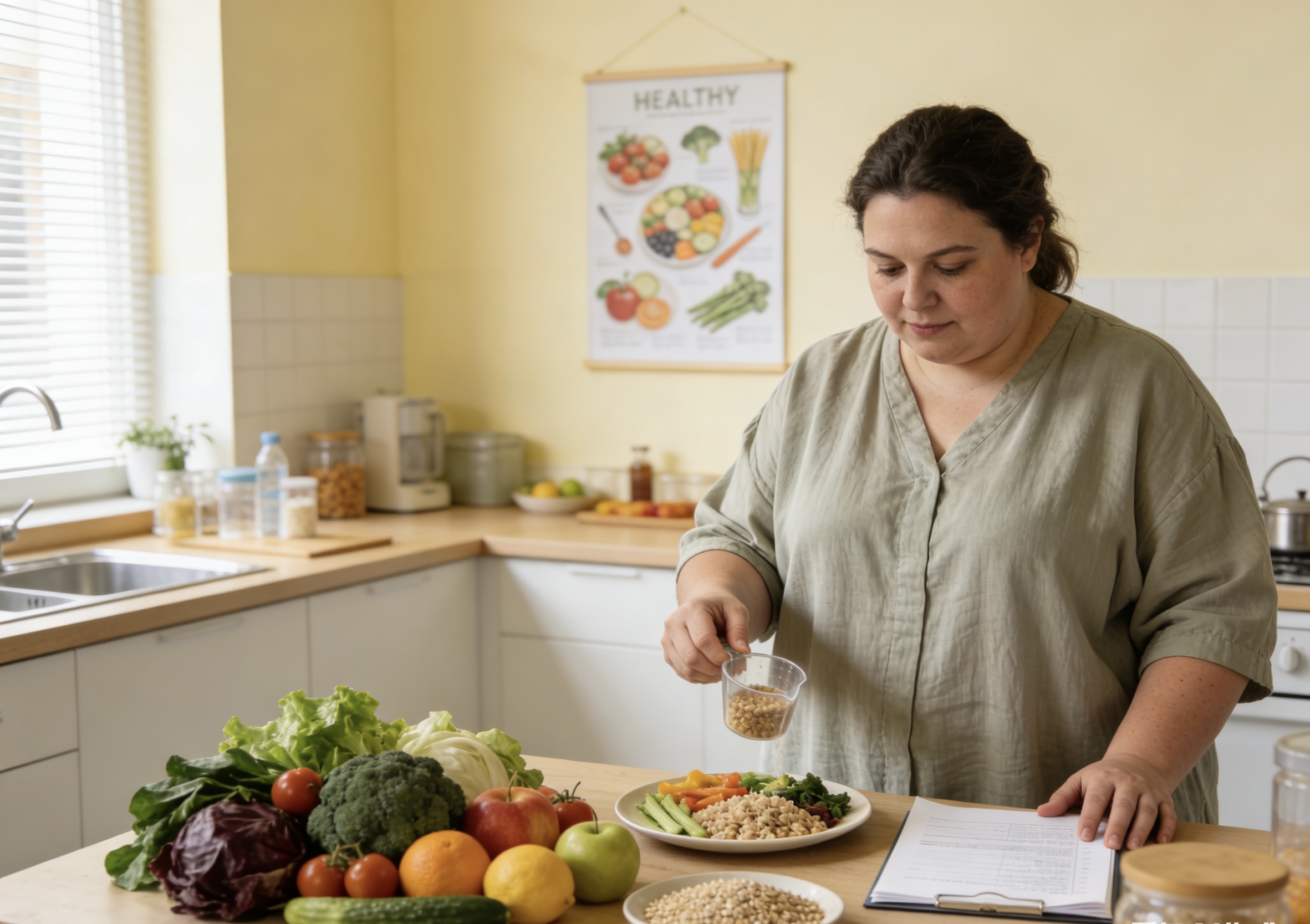
The scientific principles of intermittent fasting: fat burning mechanisms and gene repair
This article delves into the scientific basis behind intermittent fasting, including how to shut down fat storage and activate fat-burning mechanisms, as well as the role of lowering IGF-1 levels in delaying aging and preventing cancer. It also explains how fasting activates repair genes, helping the body maintain itself from an evolutionary perspective.
2026-05-21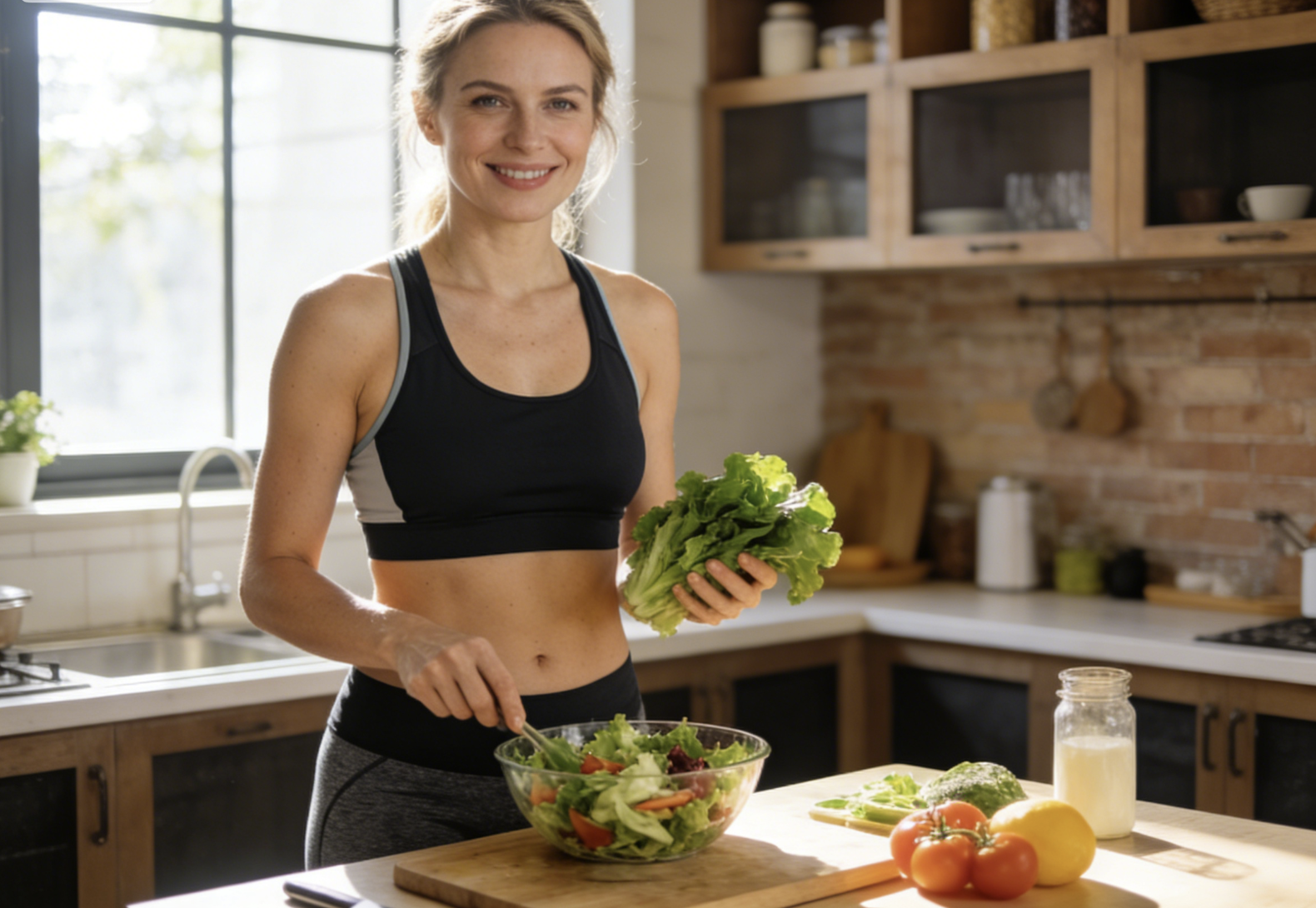
Mild hunger helps the body reboot and brings about changes from intermittent fasting.
This article elucidates the positive effects of mild hunger on the body's "reboot," pointing out that short-term hunger is harmless and controllable. It also details the various changes brought about by intermittent fasting, including steady weight loss, improved brain function, improved mood, lower blood sugar, and long-term health benefits such as cancer prevention.
2026-05-21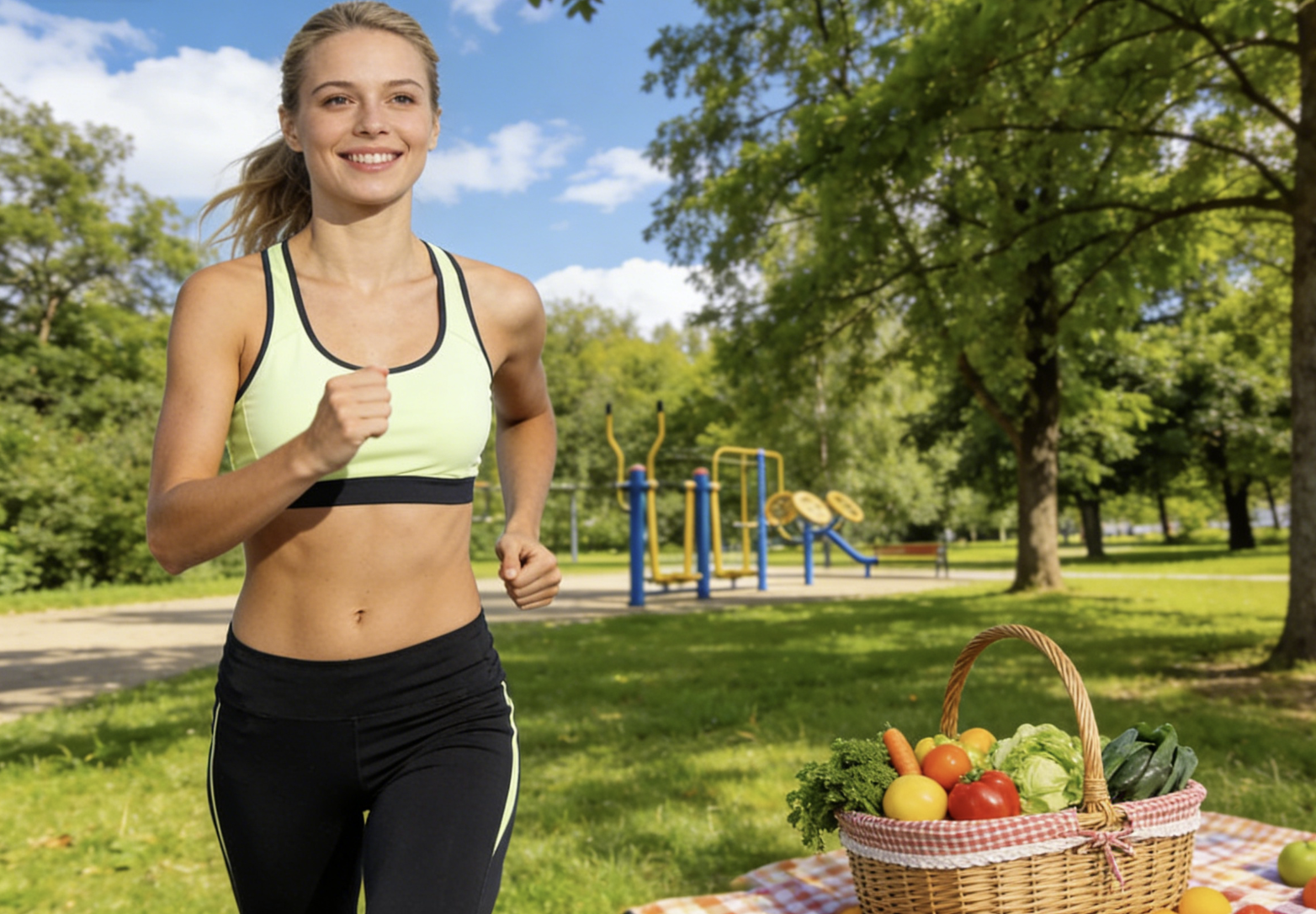
The fat paradox of the human body: Why does dieting make you fatter?
This article explains from an evolutionary perspective why the human body is so keen on storing fat. It points out that repeated starvation diets trigger a "famine response" in the body, leading to easier fat accumulation after the diet ends, and even creating a dangerous "thin on the outside, fat on the inside" physique. True weight loss is not about short-term fasting, but about making peace...
2026-05-20
Fasting and intermittent fasting for weight loss: Types and safety of intermittent fasting
Fasting is an extreme method of completely abstaining from food for a period of time, which carries significant risks and requires professional guidance. Intermittent fasting includes alternate-day fasting, the 5:2 intermittent fasting method (consuming 500-600 kcal twice a week), the fruit and vegetable juice fasting method, and the 16:8 intermittent fasting method. Compared to daily dieting,...
2026-05-20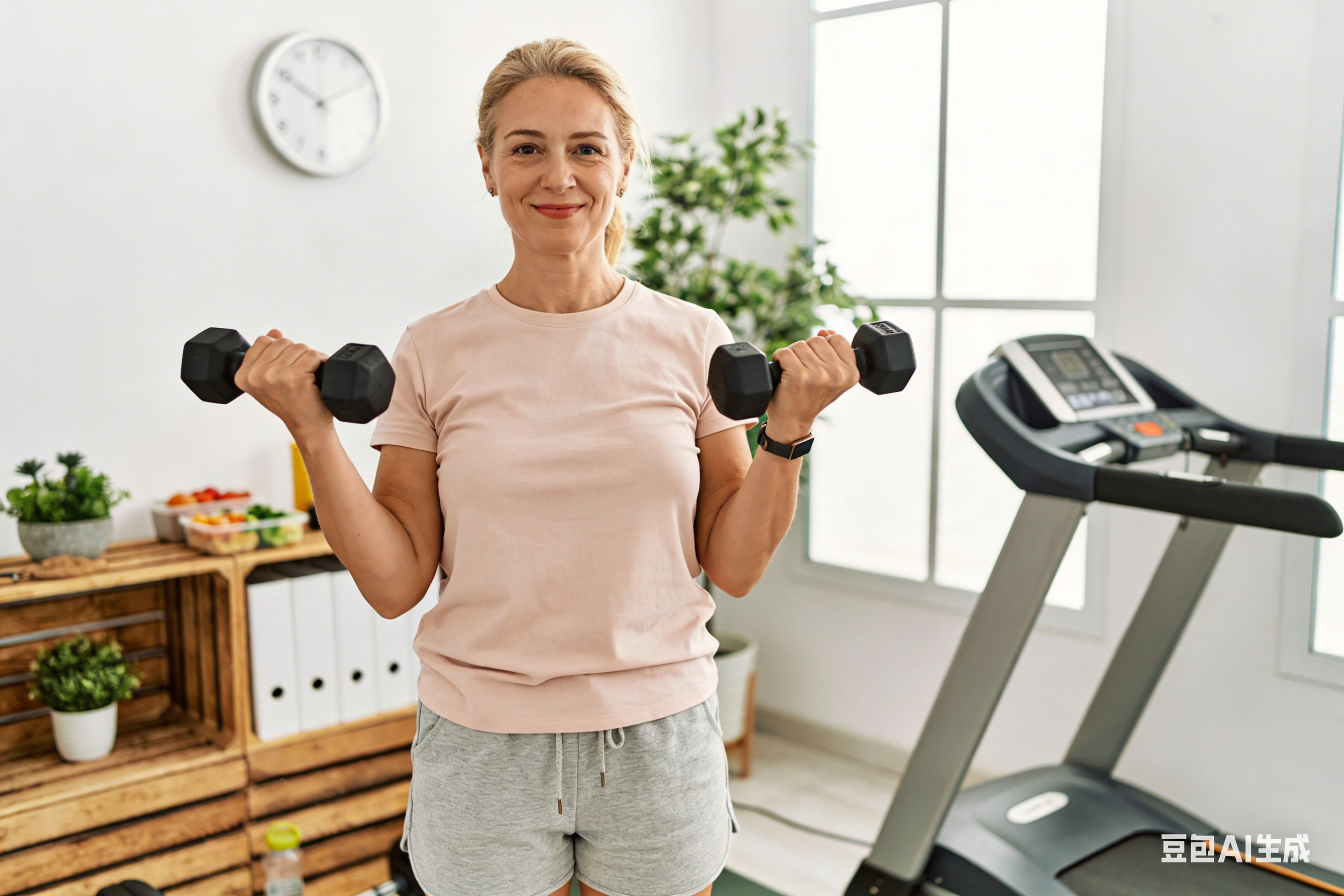
How to escape the shadow of obesity? Healthy weight loss methods.
This chapter points out that obesity is an outward manifestation of physiological system imbalance, not a fundamental problem. Popular weight loss tricks only treat the symptoms, not the root cause. Healthy weight loss requires three key elements: aerobic exercise to increase fat burning, a balanced diet to prevent muscle loss, and weight training to increase muscle mass and burn more calories.
2026-04-22
Pasta (Part 2): Smoked Salmon and Capri Salad
This article continues with five different Italian pasta salads. These include a luxurious smoked salmon and pickles salad, a classic capri salad, a hearty prosciutto and avocado salad, a calcium-rich edamame and anchovy salad, and a mineral-rich wakame and bean salad. Each dish is colorful and nutritionally balanced.
2026-04-22
Pasta Series (Part 1): From Provençal Stew to Japanese Yuzu Pepper Flavor
This article focuses on canned salads made with short pasta. It includes a flavorful Provençal stew pasta salad, a quick and easy tuna pen-neck pasta salad, a refreshing Japanese-style yuzu pepper chicken salad, and a basil-scented shrimp and green bean pesto salad. The bulky nature of short pasta effectively prevents overeating, allowing you to easily enjoy delicious meals.
2026-04-22
Nurturing a child's physical and intellectual development: The role of parents as role models
This article explores how parents can avoid two extremes when helping their children develop physical and intellectual abilities: ignoring the risk of obesity or being overly concerned about eating disorders. The article emphasizes that parents should lead by example, influencing their children through controlling the eating environment, reducing screen time, and participating in healthy...
2026-04-20
Planning and perseverance in physical and mental development: the methods of successful people
This article introduces the methods of two people who successfully maintained their weight (Dr. Woodman and Ms. Littman): daily exercise, mindful awareness, and flexible enjoyment of food. The article emphasizes that change is a long-term process that requires advance planning to cope with "disruptions" such as holidays, vacations, life changes, and emotional distress, and to prevent...
2026-04-20
Changing the Media and Legal Landscape: From Advertising to Taxation
This article explores how legislation and public policy can change the media and legal environment that contributes to obesity. Recommendations include restricting junk food advertising to children, requiring clearer food labeling, taxing high-calorie, low-nutrient foods, and reforming agricultural subsidy policies, thereby fundamentally reducing the impact of a "toxic environment."
2026-04-20
Workplaces and communities with physical and intellectual capabilities
This article explores the impact of workplace and community environments on weight. Recommendations include organizing fitness activities in the workplace, using pedometer competitions, and improving stairwell environments. At the community level, policy changes such as promoting walkable urban planning, restricting children's food advertising, and taxing high-calorie foods are encouraged to...
2026-04-20
Detailed Explanation of the Nine Major Systems of the Human Body and Basic Concepts of Metabolism
This article continues from the previous one, further introducing the endocrine, immune, nervous, and circulatory systems-four of the nine major systems in the human body-with a particular emphasis on the crucial role of the small intestine in nutrient absorption. Finally, the article introduces the concept of metabolism, pointing out that it includes material metabolism and energy metabolism,...
2026-04-17
In-depth analysis of fats (Part 1): Classification, fatty acids, and nutritional value
This chapter provides a scientific introduction to fats. The article distinguishes between oils and fats in detail, explaining the differences between saturated fatty acids, monounsaturated fatty acids, and polyunsaturated fatty acids, and their impact on health. It also elucidates the various important roles of fats in the human body and introduces three indicators for evaluating the...
2026-04-17
Examining past misconceptions about weight loss: dieting, spot reduction, and diet pills.
This article criticizes common misconceptions about weight loss, including exercising without controlling your diet, skipping breakfast or dieting (which lowers metabolism), targeting the waist for weight loss (which requires reducing both visceral fat and body fat percentage), abusing diet pills, rejecting all fat intake, avoiding high-protein foods, and eating only fruits and vegetables...
2026-04-17
Konjac, red wine, and yogurt: Three unique ways to enjoy weight-loss foods
This article introduces the weight loss principle and consumption method of konjac, which absorbs water and expands to create a feeling of fullness and clear cholesterol; the weight loss mechanism of drinking red wine with cheese before bed and using alcohol to generate heat and accelerate metabolism; and the weight loss effect of yogurt in promoting digestion and improving intestinal flora....
2026-04-16
Detox and Weight Loss: Quitting Bad Habits and Dietary Detoxification Plan
This article analyzes how alcoholism and a sweet tooth hinder weight loss and provides suggestions for quitting them. It also systematically introduces foods that aid liver detoxification (carrots, garlic, grapes), kidney detoxification (cucumbers, cherries), and intestinal detoxification (konjac, black fungus, kelp, etc.), helping readers cleanse their bodies of toxins and accelerate weight...
2026-04-16