
Emotional Management

**The Wisdom of Chewing Slowly: From Savoring to Controlling Appetite**
People who eat quickly tend to eat more because it takes 10-20 minutes for the feeling of fullness to be transmitted. Chewing slowly not only prevents overeating but also promotes saliva production. Saliva contains parotid hormones that can prevent aging and remove carcinogens. Chewing slowly is also beneficial for brain development and may help prevent dementia. The article provides several...
2026-05-22
How to maintain weight loss results: Q&A session 5
This article answers questions about how to maintain weight after weight loss, how much rebound is considered a rebound, appetite disorders after rapid weight loss, and fear of calories, and provides suggestions on resuming a normal diet, supplementing nutrition, and seeking psychological help.
2026-05-21
21. Pineapple Recipes (Part 2): Super Popular Pineapple Recipes, Great for Cooking and Soup
Pineapple can be made into delicious dishes such as pineapple fried rice, bitter melon and pineapple chicken soup, pineapple and black fungus salad, pineapple and lean pork porridge, pineapple and prawn soup, and pineapple, black fungus, and goji berry sweet soup. Adding pineapple to dishes can tenderize meat and add a sweet and sour flavor. It's best to eat pineapple after meals to avoid...
2026-05-20
Stress Relief and Emotional Eating: A Complete Solution from Relaxation to Balanced Calories
This article continues to offer strategies for dealing with emotional eating: taking time to relax, injecting passion into life, eating every four hours, doing things with your hands, reducing food intake, stopping yourself before taking a bite, balancing calories, eliminating high-risk situations, and changing your mindset, to help readers comprehensively manage their emotions and eating habits.
2026-05-05
Part 4: Surgical Outcome Evaluation, Postoperative Precautions, and Dispute Resolution
This article explains how to correctly evaluate the effects of cosmetic surgery, including principles such as objective requirements, minimal trauma, and good prognosis. It also details postoperative care, including rest, diet, medication, and site protection, emphasizing the importance of timely follow-up appointments and providing advice on handling unexpected events or disputes.
2026-05-04
Part 5: Is it all the fault of childhood?
Childhood experiences can shape negative beliefs about food and oneself, which can trigger emotional eating in adulthood. Research shows that childhood trauma significantly increases the likelihood of adult obesity. This chapter helps readers recognize and trace the source of these negative beliefs.
2026-05-01
The Truth About the Processed Food Industry: Fear Marketing and the Macronutrient Trap
The processed food industry is shrewd; if they're the driving force behind the "macronutrient-only" approach, they're geniuses. People's fear of fat drives them to choose low-fat yogurt (high in sugar), and their fear of carbohydrates drives them to choose desserts with artificial sweeteners. This focus on macronutrients combined with specialty foods is the ultimate weapon for exploiting fear...
2026-04-30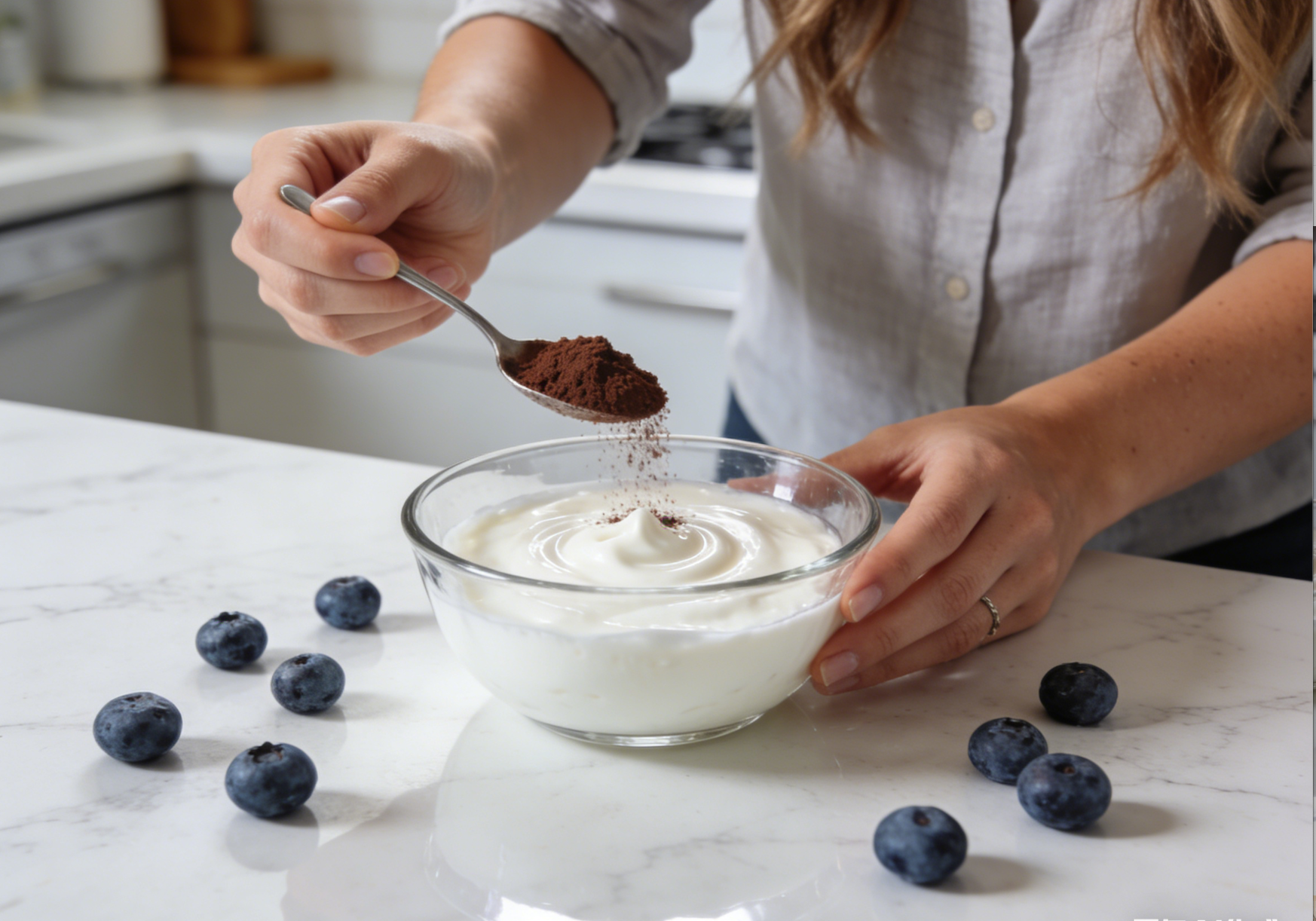
Shrinking an enlarged stomach: Scientific methods for regular meals and avoiding overeating
The author points out that irregular meals (such as eating only one meal a day) can stretch the stomach, lower basal metabolism, and make it easier to gain weight. She suggests reducing stomach capacity by eating breakfast on time and gradually increasing the number of meals, and emphasizes the importance of abandoning the habit of overeating, which is a key step in preventing rebound weight gain.
2026-04-29
Article 20: Getting Rid of Excessive Stimulation and Self-Hypnosis-Shutdown Mode and Progressive Muscle Relaxation
This section points out that excessive sensory stimulation can lead to stress eating and suggests switching to "off mode" to reduce stimulation. It also introduces self-hypnosis techniques, including progressive muscle relaxation and autonomic training (warming and calming the body).
2026-04-28
Part 10: Mindfulness, Spirituality, and Guided Visualization-Prayers, Visualizing Happiness, and Accepting Emotions
This section introduces mindfulness-based spiritual techniques for achieving peace through prayer, and how to create tranquil scenes using guided visualization as an alternative to the comfort of food. It also introduces the concept of "complete acceptance," helping to coexist with negative emotions without avoidance.
2026-04-27
Body image satisfaction survey and the psychological traps of a weight loss vacation
This chapter presents the results of a survey of 13,000 women regarding their satisfaction with various parts of their bodies, showing that half of them are dissatisfied. It also analyzes how "weight-loss vacations" leading to fluctuating weight may be a sign of bulimia or anorexia.
2026-04-24
Challenging Unthinking Ideas: The Case of Alice
This article, through the case of Alice, details how cognitive therapy can be used to challenge the "unthinking thoughts" that lead to emotional eating. Alice identified distorted thoughts such as "I don't have time to take care of myself" and "I am an incompetent mother" and replaced them with more rational thoughts, thereby reducing her eating urges.
2026-04-23
Stress, Endorphins, and Exercise: Natural Remedies for Stress
This chapter explores the sources of stress and their impact on health. Exercise reduces stress by stimulating the release of endorphins; 20-30 minutes of moderate-intensity exercise is most effective in promoting endorphin release. Exercise not only reduces the physiological response to stress but also improves mood, making it a natural "medicine."
2026-04-22
Life Force: Yoga relaxation techniques, alternating nasal breathing, and limb stretching
This article explains the regulation of vital energy in yoga practice, including self-suggestion techniques for full-body relaxation, the Vishnu mudra technique of alternating nostril breathing, and various physical stretching postures (such as Mountain Pose and Dog Pose). Through these practices, one can calm chaotic thoughts and harmonize body and mind.
2026-04-19
Weight loss precautions and common weight loss methods overview
This article lists precautions for weight loss, such as hydrating after exercise, planning meals reasonably, standing after meals, and avoiding eating before bed. It then outlines common weight loss methods: weight loss drugs (with side effects), surgical weight loss (treating the symptoms but not the root cause), weight loss teas (potentially damaging the digestive system), and traditional...
2026-04-17
Success stories of overcoming obesity: From losing 20 kg to confidently wearing sleeveless dresses
This chapter showcases the remarkable effects of the Wada Weight Loss Method through the real-life examples of several women. Mrs. A lost 20 kilograms, Mrs. C successfully lost weight because of her daughter's encouragement, Ms. W slimmed down to fit into her wedding dress, and Zemei no longer feared wearing sleeveless dresses after losing weight postpartum. These examples demonstrate that...
2026-04-11
Myth 1: Weight problems are purely due to personal reasons – a battle between genes and environment
This chapter dismantles the misconception that "weight problems are purely due to personal reasons." Through personal experience and observations from visits to weight-loss hospitals in China, the author points out that overweight and obesity are caused by a combination of social, environmental, and biological factors. Genes influence weight, but they are not a determinant. High-calorie foods...
2026-04-10
Mirrored Smile and Sensory Awakening: Reshape Your Slim Figure with Five Senses and Positive Suggestions
This article guides readers to relax and improve concentration through a series of specific sensory training methods, such as smiling in front of a mirror, imagining a balloon between your fingers, gazing at candlelight, and listening to ambient sounds. It emphasizes the importance of engaging with one's body to find optimal weight, aiming to implant the desire to lose weight into the...
2026-04-08
Looking back and adjusting emotions: Saying goodbye to anxiety and regaining motivation for weight loss through self-care.
Looking back helps us understand the present. This article guides readers on how to identify opportunities for change by reflecting on yesterday's life, emphasizing the importance of honestly facing emotions and seeking inner peace. The article also discusses the power of clearly defined weight loss motivation and the positive effect of using stylish makeup to enhance the desire for a...
2026-04-08
Cleaning up space and mind: Combating the link between hoarding, stress, and sleep deprivation to obesity
This article explores the profound impact of physical environment and mental health on weight. Clutter removal not only optimizes space but also subconsciously stimulates the desire to lose weight. The article also cites numerous scientific studies revealing a direct link between sleep deprivation and obesity rates, pointing out that fatigue impairs judgment and slows metabolism. Through...
2026-04-07