Scientific Understanding
Article 26: Frequently Asked Weight Loss Questions (Part 2): Plateaus and Rebound Factors
Ke Lan explained that weight loss plateaus are the body's self-protective mechanism, requiring patience and perseverance to overcome. She provided a "weight regain predisposition" assessment form to help readers understand if they are prone to rebounding. Finally, she discussed the causes of stretch marks, pointing out that they are scars from broken skin tissue that can only be faded through...
2026-05-23
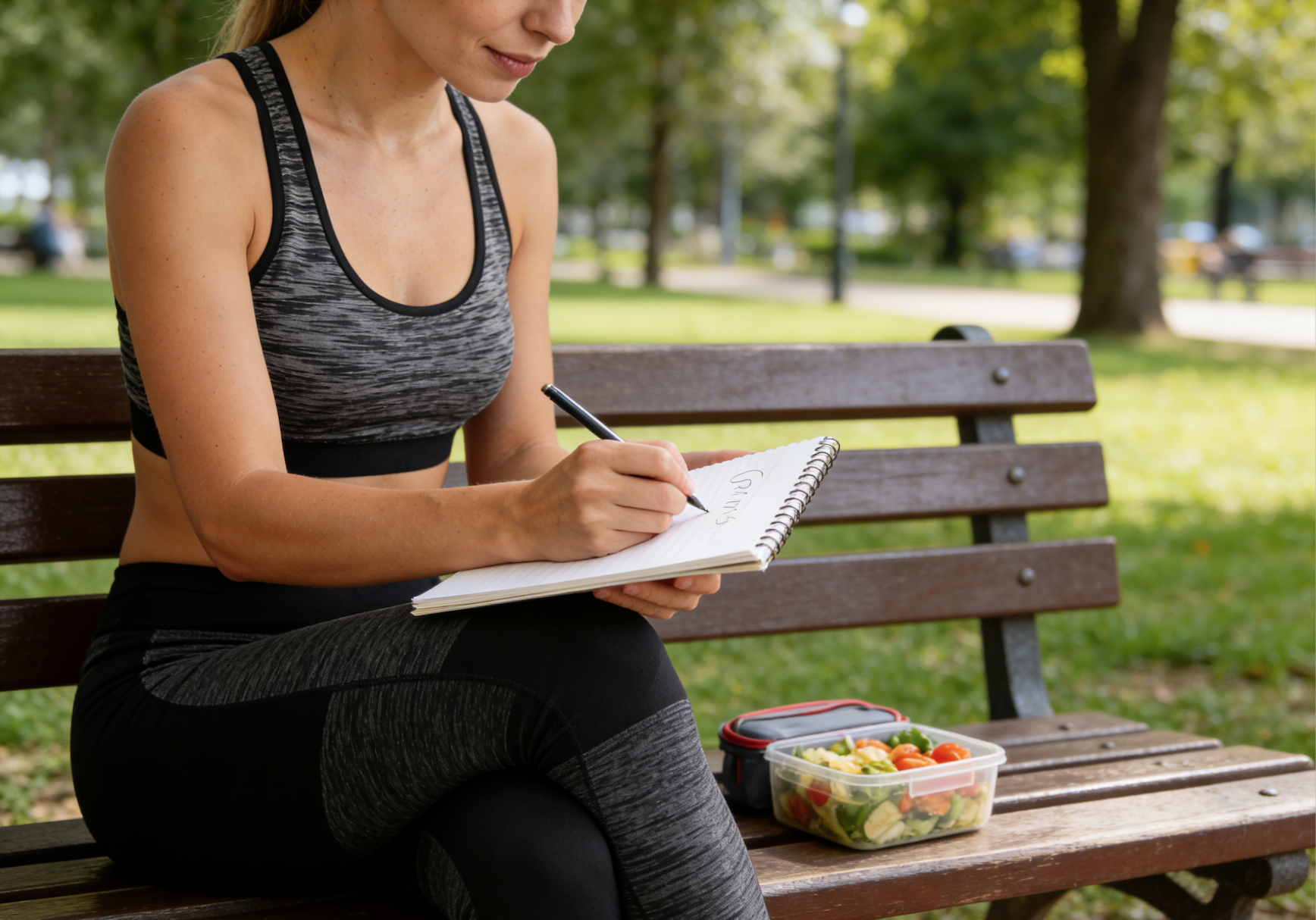
11. The Fatal Causes of Obesity Among Office Workers and an Analysis of Stress-Induced Obesity
This chapter focuses on the causes of obesity among office workers: 9-to-5 work schedules, sedentary lifestyles, business lunches, and lack of exercise. It analyzes the different symptoms and treatments for stress-related obesity, exercise-related obesity, and edema-related obesity.
2026-05-22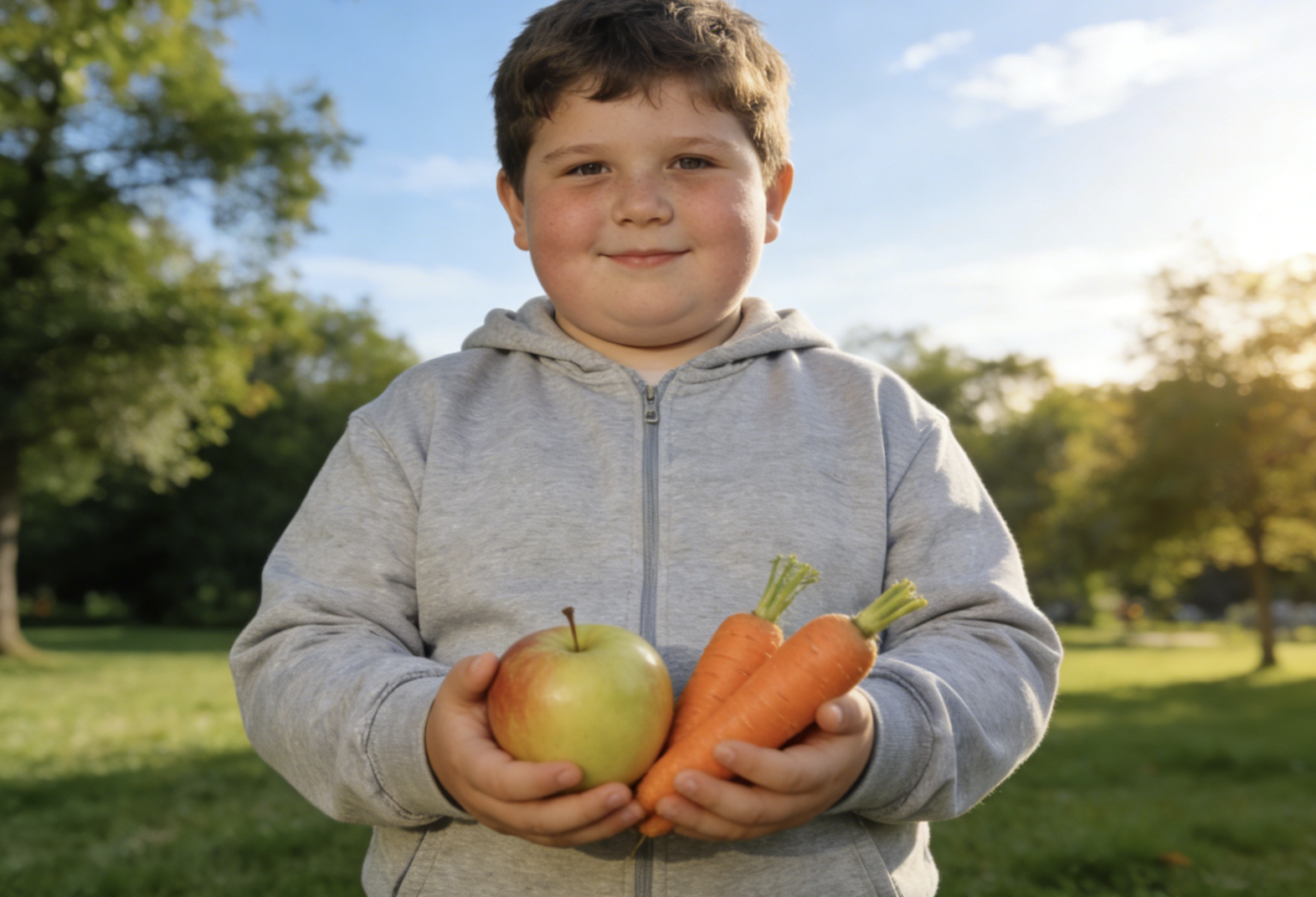
12. The most taboo weight loss methods for office workers and the side effects of diet pills revealed.
This chapter points out common weight loss mistakes made by office workers, such as dieting, using banned drugs, and using occlusive skin patches. It details the mechanisms and serious side effects of amphetamines, diuretics, thyroid hormones, bulgocytics, and laxatives, warning of the risks of unsafe weight loss methods.
2026-05-22
14. Tips for office workers on losing weight by eating out and basic knowledge of nutrient absorption
This chapter provides specific weight-loss tips for office workers eating out: use less dressing in salads, remove the skin from meat, and rinse meat with water before adding cornstarch. It also explains the principles by which the human body absorbs meat, rice, carbohydrates, protein, and fat.
2026-05-22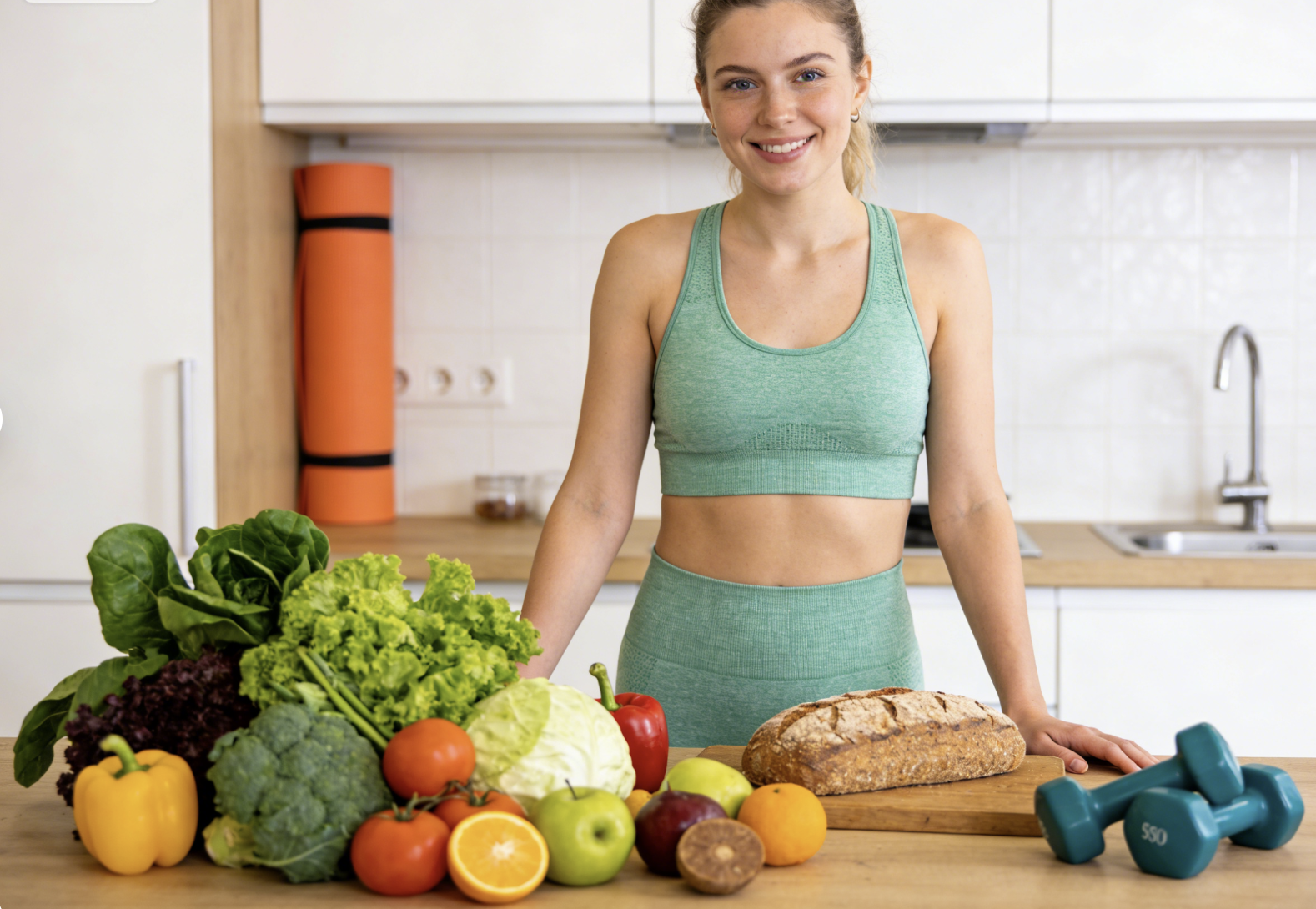
A meticulously crafted plan for a beautiful buttocks: diet strategies and exercise principles
This section introduces a dietary plan for achieving a beautiful buttock, including reducing animal fat and increasing potassium intake. It also explains the principles of exercise for a beautiful buttock, how to choose shaping pants for different buttock shapes, and how to get rid of cellulite.
2026-05-21
The most effective way to lose fat without losing muscle mass and everyday body shaping techniques
This section introduces methods for effectively reducing body fat while ensuring muscle growth, including reducing nighttime carbohydrate intake, properly scheduling aerobic training, and eating more fish. It also shares everyday tips for sculpting your physique.
2026-05-21
The pain of obesity and the urgency of losing weight – Scientific acupressure techniques to help you achieve a slim figure.
This article begins by discussing the physical and mental suffering caused by obesity, pointing out that obesity not only affects appearance but also serves as a breeding ground for various diseases. It emphasizes that simple dieting or medication for weight loss is ineffective and has side effects, recommending a scientific approach combining exercise and acupressure massage, with noticeable...
2026-05-20
Weight Loss Methods for Different Age Groups (Part 2): Postpartum and Menopausal Weight Loss Methods for Women
This article proposes weight loss programs specifically for women during two special stages: postpartum and menopause. Postpartum weight loss includes full-body exercise, targeted exercises, breast massage, and ten postpartum fitness exercises. Menopausal weight loss emphasizes a low-fat, high-fiber diet, ensuring adequate protein and vitamin intake, controlling fat intake, a balanced diet,...
2026-05-19
Weight loss methods for different age groups: Weight loss methods for children and teenage girls
This article proposes weight loss plans specifically for children and teenage girls. For children, the plan emphasizes high protein, sufficient vitamins, low fat and low sugar, adequate hydration, increased exercise, and behavioral changes, and provides a daily exercise schedule. For teenage girls, the plan focuses on reasonable food intake, dietary structure, avoiding water restriction,...
2026-05-19
Physical Weight Loss Methods (Part 3): Electro-Exercise Stimulation and Clothing-Based Weight Loss (Continued)
This article continues to introduce micro muscle strengtheners, massage slimming machines, electronic slimming devices, and low-frequency slimming devices within the electro-stimulation weight loss method. It then introduces slimming clothing products, including health earrings, slimming and health underwear, magnetic therapy abdominal and waist health belts, slimming belts, women's slimming...
2026-05-19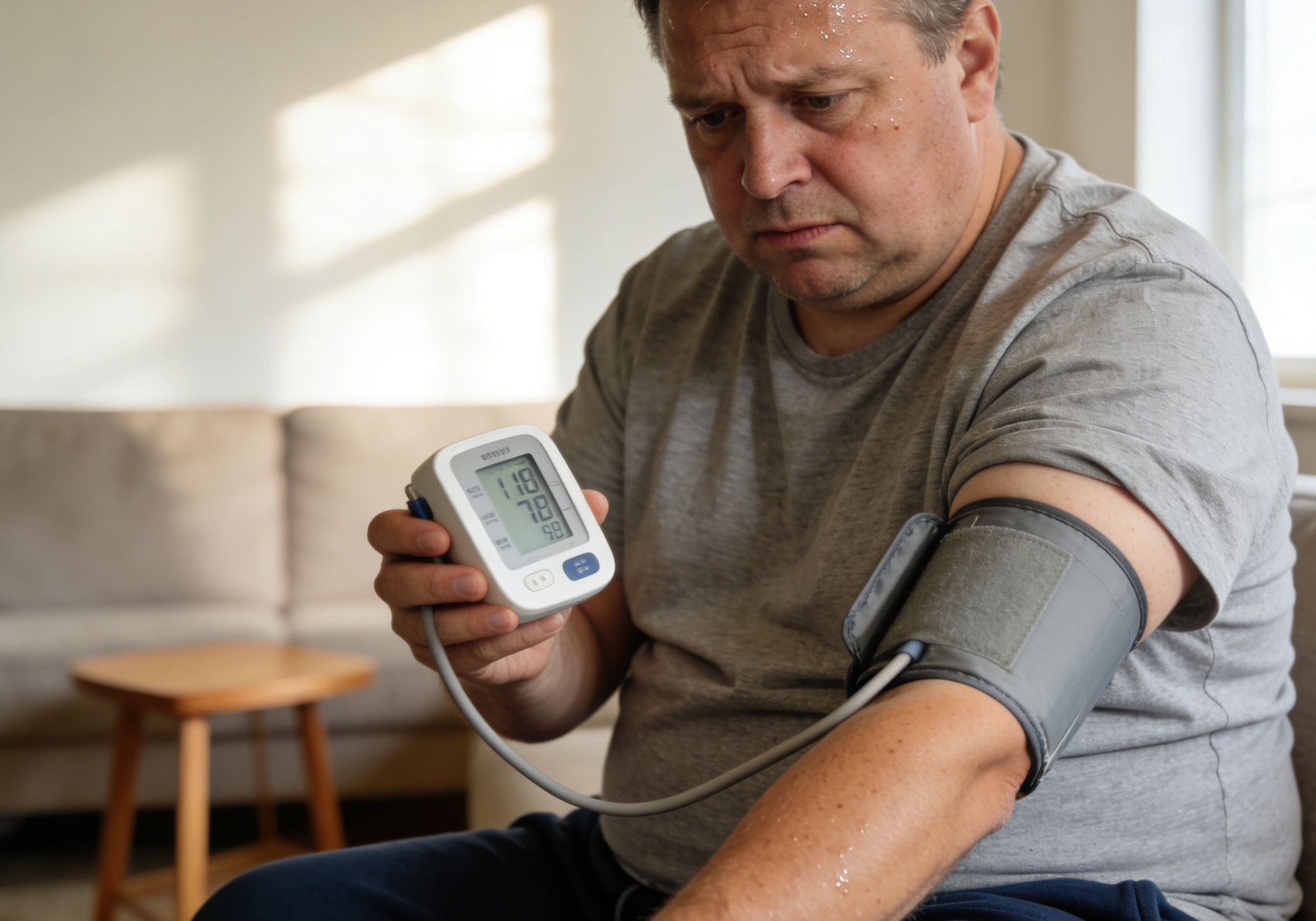
Weight Loss Methods for Different Age Groups (Part 4): Obesity Prevention Methods for Middle-Aged and Elderly People
This article proposes seven measures to prevent obesity in middle-aged and elderly people: controlling calorie intake, ensuring adequate protein intake, controlling fat intake, reducing salt intake, supplementing with sufficient vitamins, consuming sufficient fiber, and engaging in appropriate exercise. It also provides reference suggestions on the types and quantities of foods that should be...
2026-05-19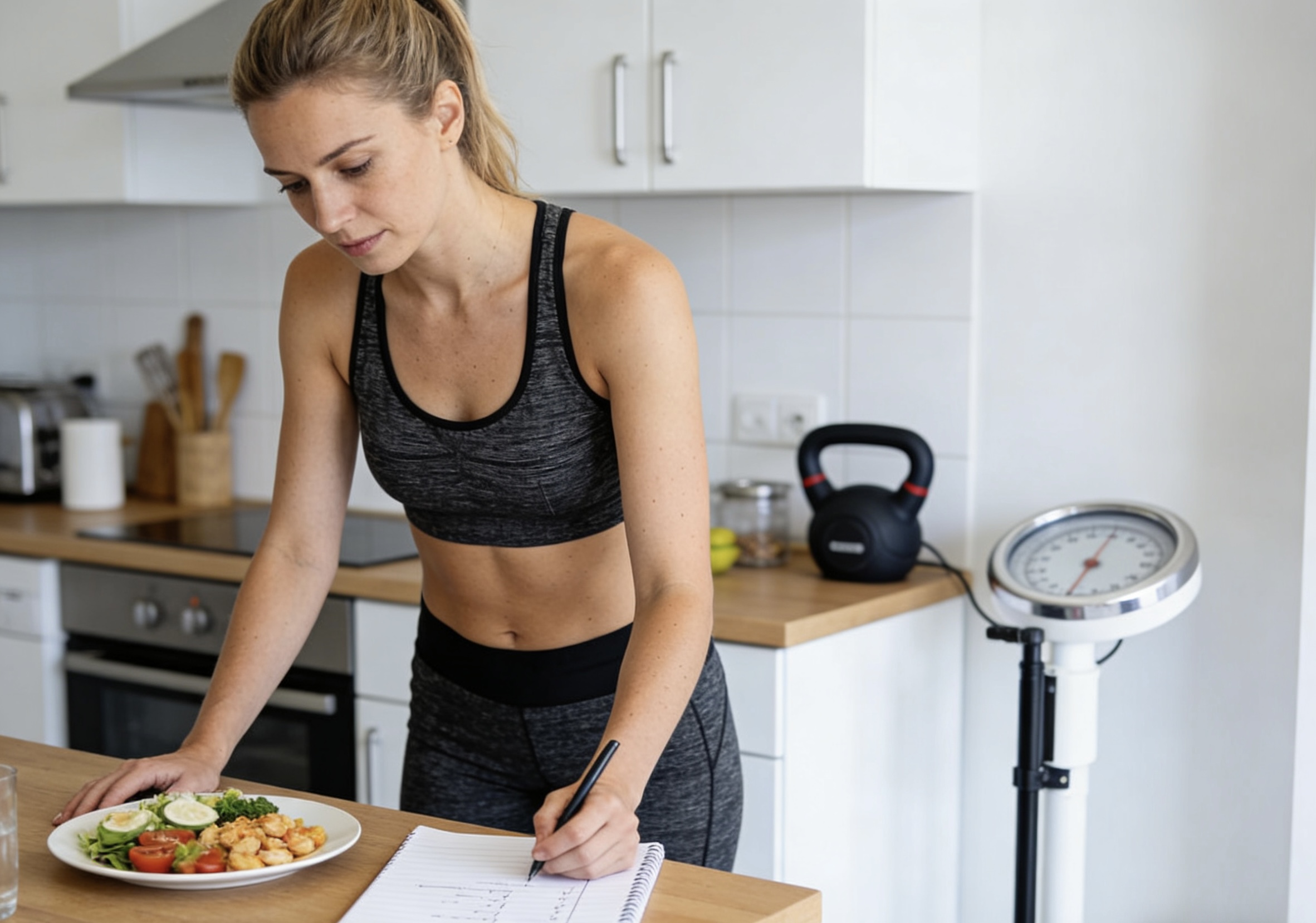
Physical weight loss method (II): Salt scrubbing, bathing, and electrical stimulation for weight loss
This article continues to introduce physical weight loss methods, including salt rubbing (using sea salt to rub and break down fat), bathing weight loss (artificial sunbathing, warm water baths, soaking, alternating hot and cold water, repeated bathing, long-term bathing, half-body bathing, sauna baths, etc.), and electro-stimulation weight loss (mini muscle strengtheners, massage machines,...
2026-05-19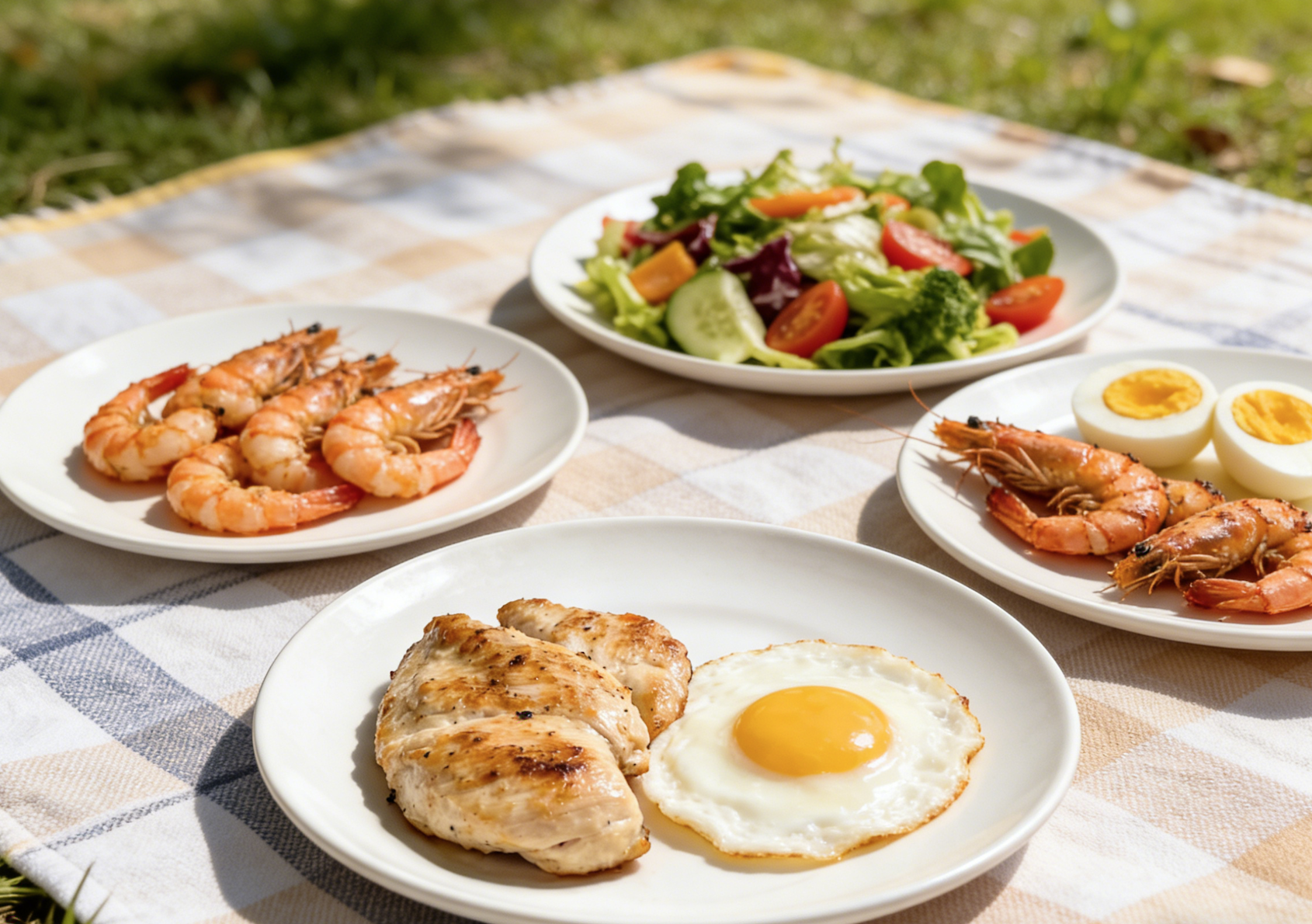
Overview of Clothing-Based Weight Loss and Weight Loss Methods for Different Age Groups
This article introduces weight loss products, including health earrings, weight loss underwear, magnetic therapy abdominal and waist health belts, weight loss belts, women's weight loss and health abdominal belts, multi-functional fitness and weight loss abdominal belts, traditional Chinese medicine weight loss and fitness shorts, and weight loss and health bath towels. It then moves on to...
2026-05-19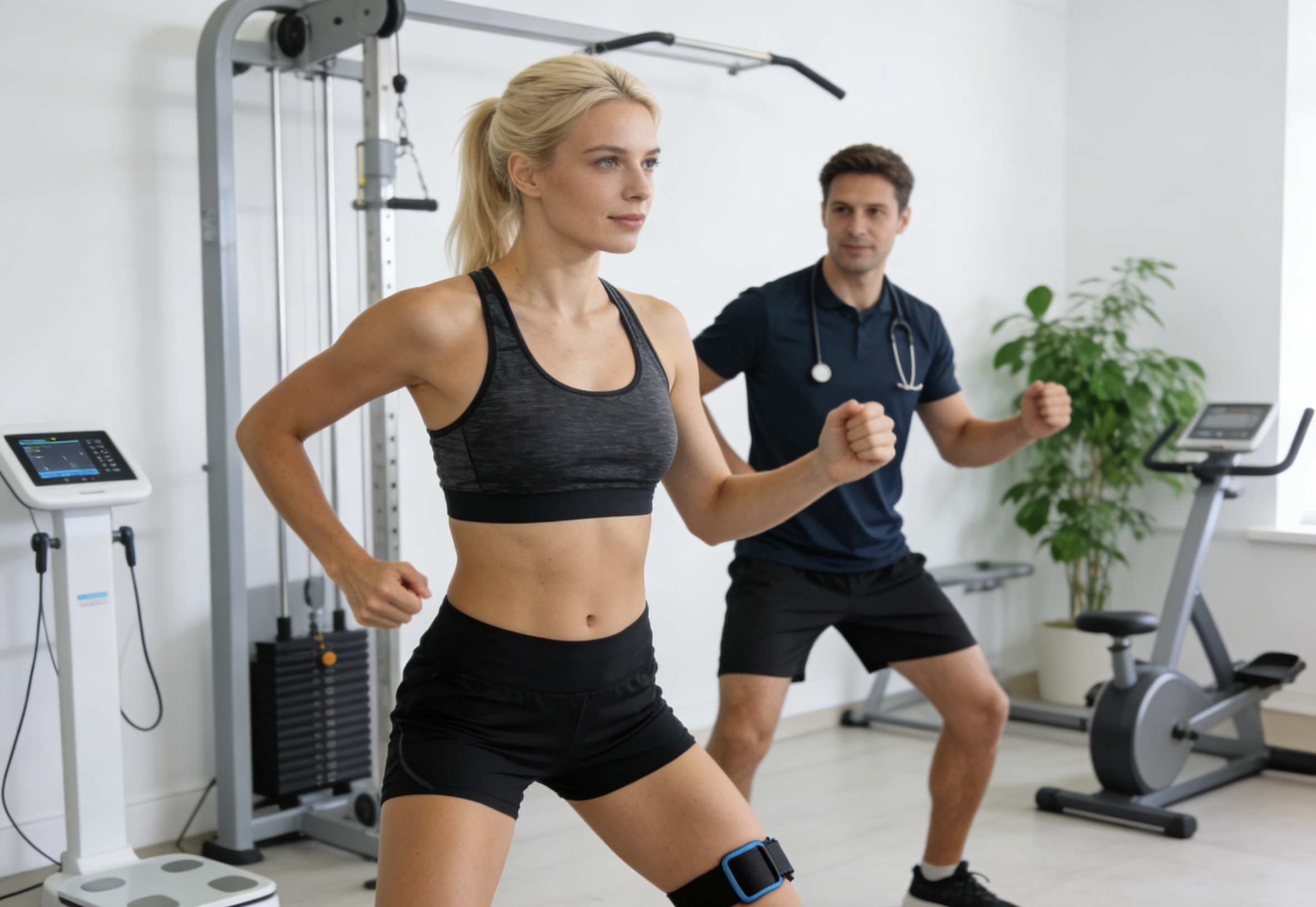
Meridian Massage for Weight Loss (Continued): Thighs to Feet and Precautions for Massage
This article continues the meridian massage weight loss method, including massage techniques and acupressure on the thighs, knees, calves, and feet. It then details the precautions for massage weight loss, such as the need for a reasonable diet and regular laboratory tests, and summarizes the advantages of massage weight loss, especially its applicability to obese individuals with hypertension...
2026-05-19
Clinical experience formulas for weight loss (continued) and external application of traditional Chinese medicine for weight loss
This article continues to include clinically experienced formulas, including Kangling Weight Loss Mixture (lowers lipids, promotes diuresis, eliminates dampness and phlegm), Wuling Xiaofei Decoction (warms the middle jiao, strengthens the spleen, eliminates phlegm and promotes diuresis), Sitong Weight Loss Pills (suitable for simple childhood obesity), Lipid-Lowering Weight Loss and Fitness...
2026-05-19
Weight loss methods for different age groups: Postpartum and menopausal weight loss methods for women
This article proposes weight loss programs specifically for women during two special stages: postpartum and menopause. Postpartum weight loss includes full-body exercise, targeted exercises, breast massage, and ten postpartum fitness exercises. Menopausal weight loss emphasizes a low-fat, high-fiber diet, ensuring adequate protein and vitamin intake, controlling fat intake, a balanced diet,...
2026-05-19
Weight Loss Methods for Different Age Groups (Part 3): Obesity Prevention Methods for Middle-Aged and Elderly People
This article proposes seven measures to prevent obesity in middle-aged and elderly people: controlling calorie intake, ensuring adequate protein intake, controlling fat intake, reducing salt intake, supplementing with sufficient vitamins, consuming sufficient fiber, and engaging in appropriate exercise. It also provides reference suggestions on the types and quantities of foods that should be...
2026-05-19
Reduced-sugar egg and soy products: Baked mushrooms and quail eggs, Mapo tofu, and braised tofu with salted egg yolk.
This section offers several low-sugar dishes primarily made with eggs and soy products. These include baked mushrooms and quail eggs, omelet with nameko mushrooms and cilantro, salted egg yolk tofu soup, Mapo tofu, and preserved egg tofu, all of which are nutritious and low in sugar.
2026-05-18
20 secrets to a slimmer life, and a variety of slimming meal plans for one week (Monday to Wednesday).
This post shares 20 tips for a slimmer lifestyle, such as avoiding eating while working and using a large cup to drink water. It also provides varied slimming meal plans for Monday through Wednesday, including recommended breakfast and lunch dishes, and a soup for dinner.
2026-05-18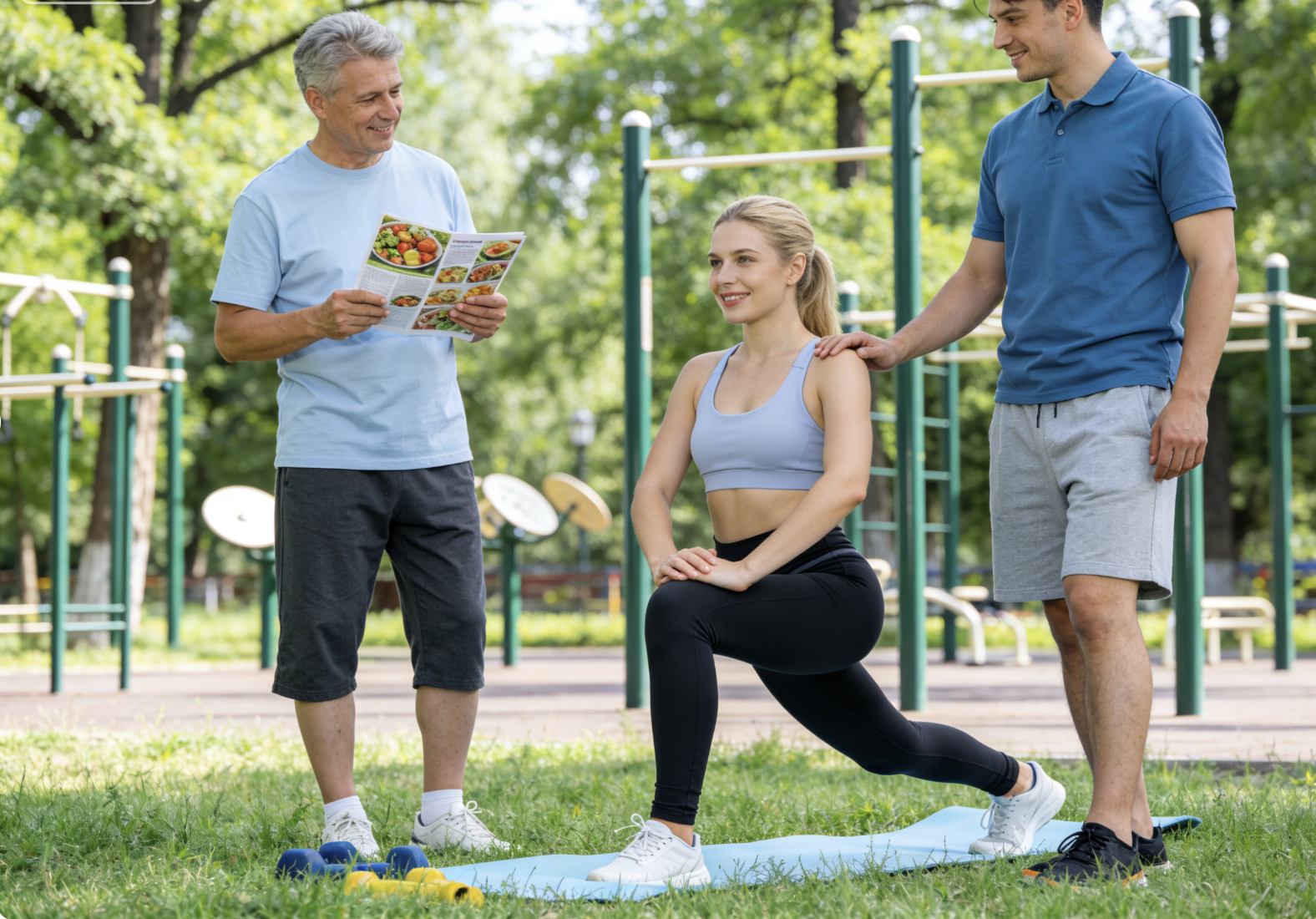
A Week of Diverse Weight Loss Meals (Thursday to Sunday): A Summary of Various Weight Loss Methods
This app offers a variety of slimming recipes from Thursday to Sunday. It includes a compilation of popular slimming methods: the protein diet, the honey diet, the yogurt diet, the dessert diet, the three-day apple diet, the red wine and cheese diet, and more.
2026-05-18
The 66-Day Rule: Make a peace treaty with weight loss and stop declaring war on yourself.
This article points out that changing a habit takes an average of 66 days, not 2-4 weeks. The author advocates abandoning the confrontational mindset of "warning against fat," because fat itself is an essential nutrient for the body. Treating fat as an enemy is tantamount to declaring war on oneself, which will only lead to defeat. Extreme short-term weight loss should be stopped, and one...
2026-05-21
Combining health and fitness: Eight principles for scientific weight loss
This article emphasizes that health and fitness are the fundamental goals of weight loss, and proposes eight principles to help readers safely and effectively achieve their ideal weight: choosing the right weight loss method, not being impatient for quick results, persevering, losing weight in moderation, not frequently changing methods, limiting fat intake, not drinking alcohol, and inviting...
2026-05-20
Article 87: Lipid-Lowering and Slimming Fruit and Vegetable Juices (Part Two) and Medical Overview
This section continues to offer information on fat-reducing and slimming fruit and vegetable juices (milk tea, apple yogurt, hawthorn yogurt, garlic honey milk, fresh soy milk, white fungus soy milk, and corn milk), and moves into the medical section, outlining the systematic nature of weight loss and emphasizing the importance of scientific weight loss.
2026-04-24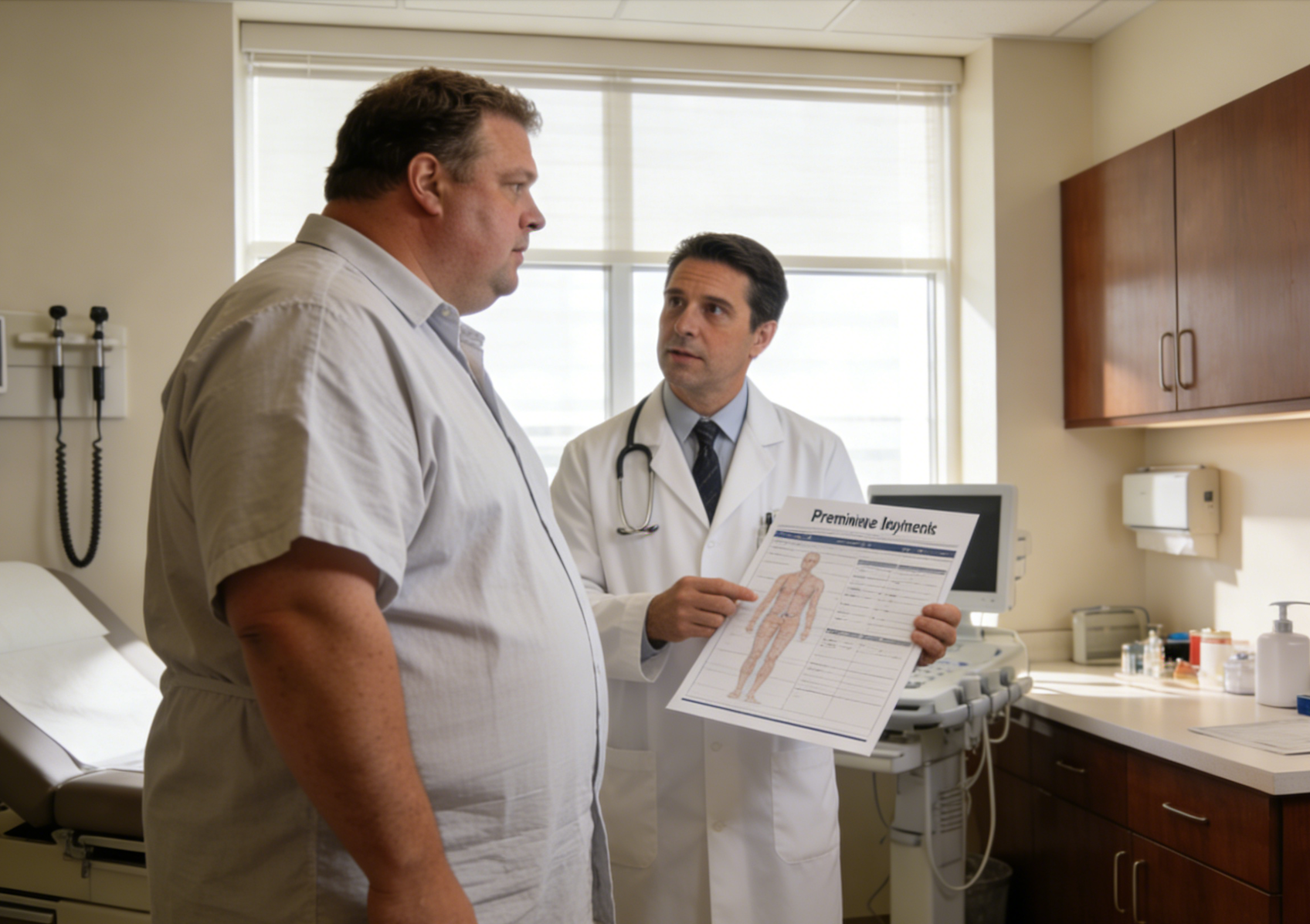
The Calorie Myth Debunked: Eating Less Doesn't Necessarily Lead to Weight Loss
The author criticizes the calorie theory that has dominated the weight loss field for a century, pointing out that it ignores individual differences and physiological complexity. Through personal experience, the author demonstrates that reducing food intake does not necessarily lead to weight loss, and that eating only side dishes is more effective.
2026-04-24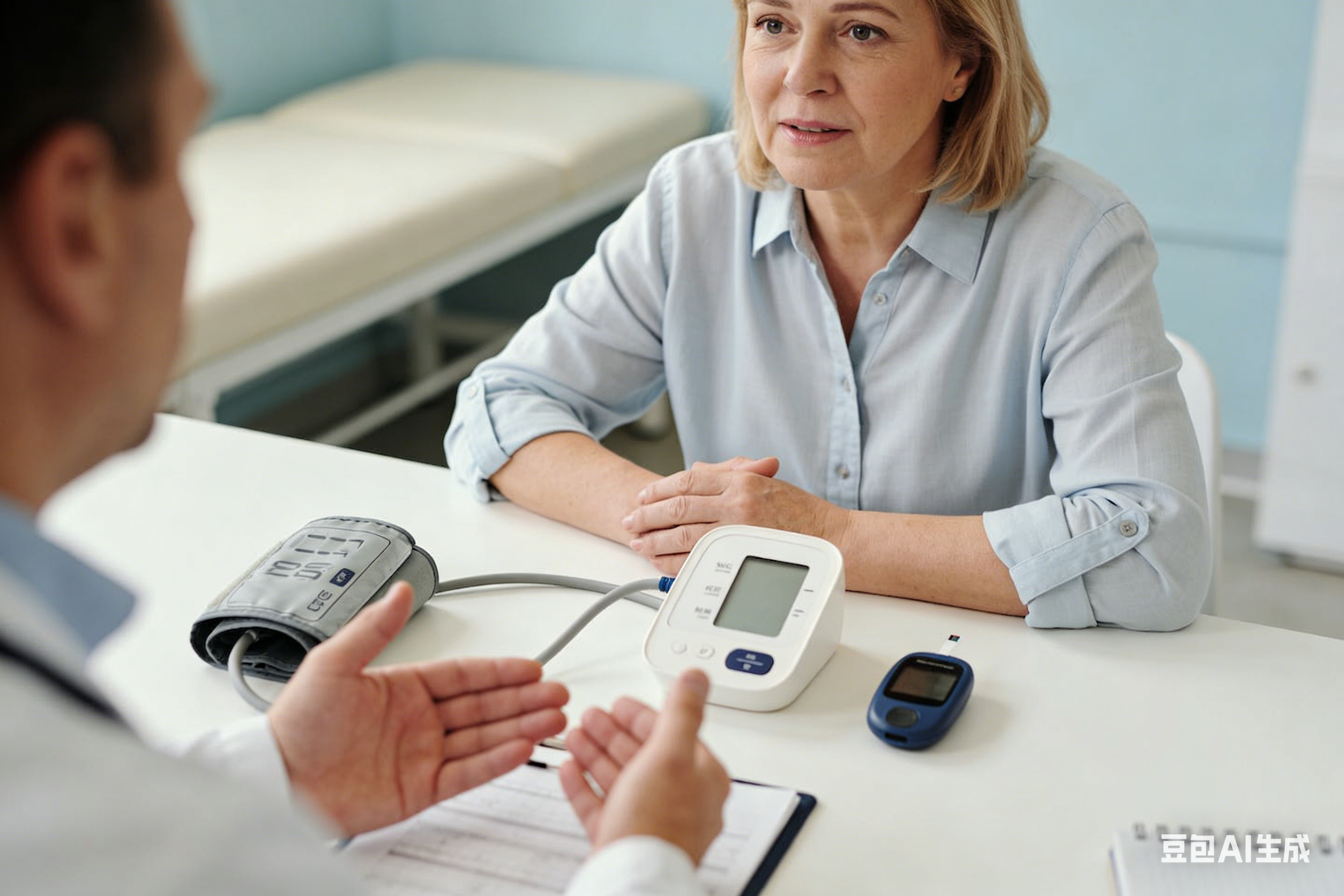
Eat in the right order to lose belly fat: A weight loss method that allows you to lose weight easily with a normal diet.
This book introduces a weight loss method that requires no dieting or excessive exercise. The core of this method is changing the order in which you eat: first, eat dietary fiber, then protein, and finally carbohydrates. This method stabilizes blood sugar and creates a feeling of fullness, naturally reducing calorie intake. It allows for weight loss even with a normal diet, and is especially...
2026-04-22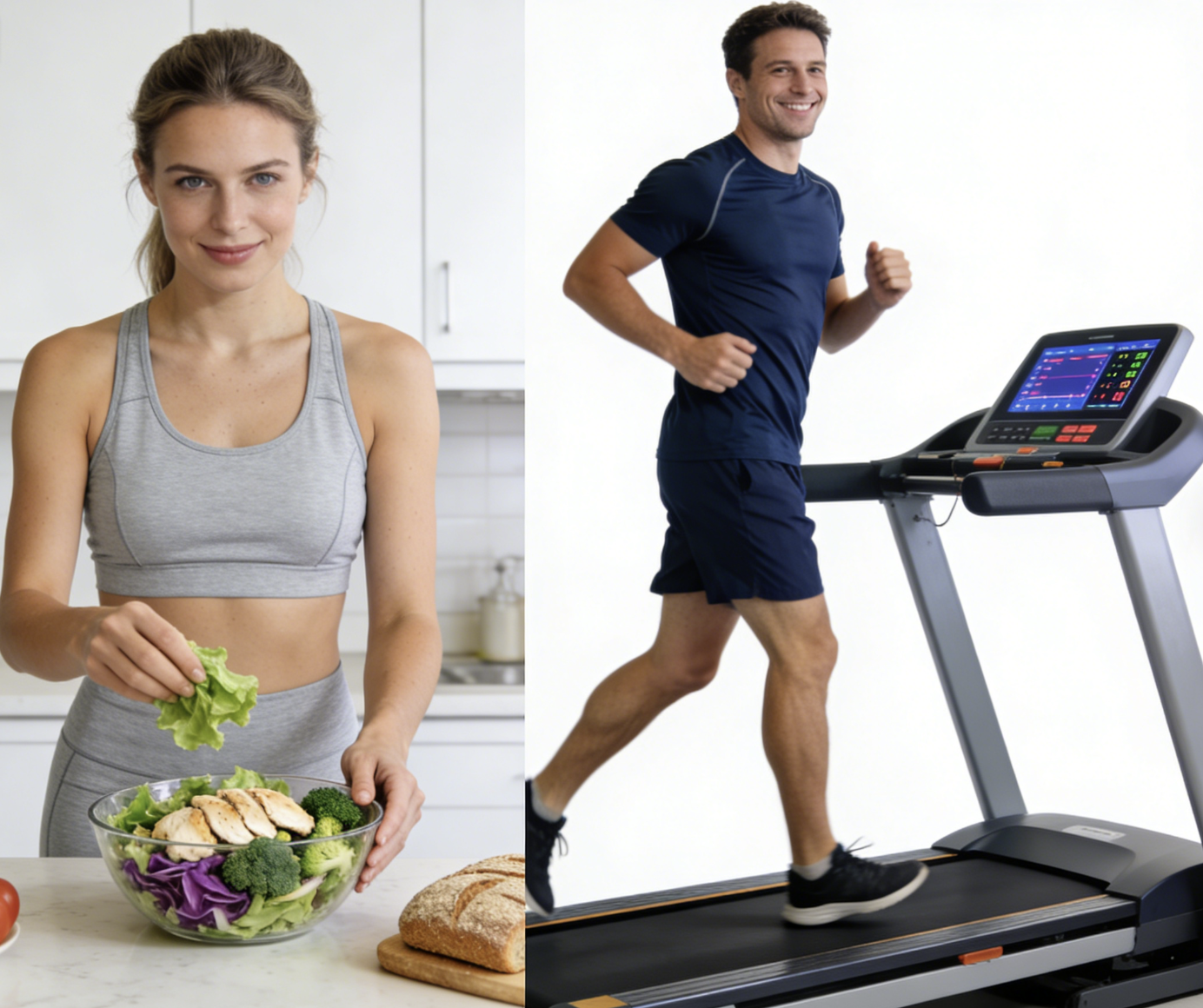
Limitations of BMI, weight loss is not the same as fat loss, and techniques for measuring weight in women.
This article points out the limitations of Body Mass Index (BMI), noting that it cannot distinguish between muscle and fat, and therefore cannot accurately reflect the degree of obesity. The article emphasizes that the goal of weight loss should be fat reduction rather than weight loss, because muscle is heavier but smaller in volume than fat. It also introduces how women can measure their...
2026-04-17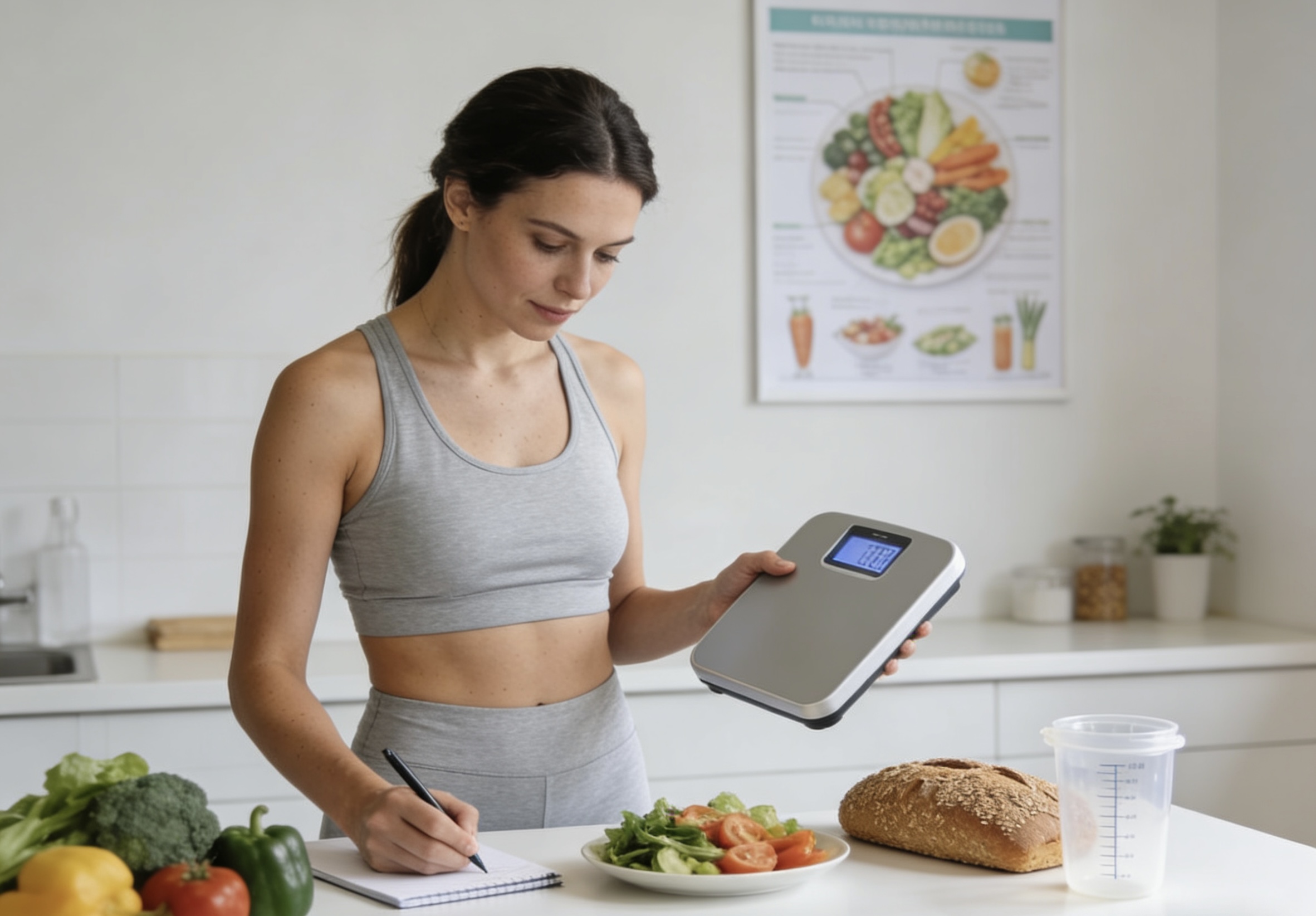
Lessons from wasted effort: Relapse due to laxity and the five root causes of all ills in the "health regimen".
The author warns that weight loss is prone to rapid rebound if one relaxes even slightly, sometimes resulting in a weight gain of 10 kilograms in a week. He introduces a "health-preserving method" for middle-aged men, pointing out that excess fat, constipation, blood stasis, poor posture, and negative thoughts are the "source of all diseases" and the root of "unpredictable worries," and...
2026-04-13
Find your ideal weight loss method: five conditions and three personality types
The author proposes that an ideal weight loss method should meet five conditions: beautiful appearance, health, rapid results, reasonable cost, and ease of implementation. He also categorizes dieter personalities into three types: A (self-motivated), B (requires supervision), and C (self-reliant), emphasizing tailored guidance for each type and firmly believing that anyone can successfully...
2026-04-13
Be wary of the health risks of premature ovarian failure when dieting to lose weight.
Excessive dieting can lead to serious consequences such as premature ovarian failure and amenorrhea. Sacrificing health for a higher weight is not worth it. Scientific weight loss should be carried out while ensuring adequate nutrition, avoiding blindly pursuing speed. Healthy weight loss is the true path to beauty.
2026-03-25