
Weight Loss Principles
Detailed Explanation of Dietary Sources and Metabolic Processes of Fat
This article introduces dietary sources of fat and lists common high-fat and low-fat foods. It then focuses on the synthesis and metabolism of fat in the human body, including the synthesis pathways in the liver and adipose tissue, and the three stages of fat breakdown (fat mobilization, glycerol oxidation, and fatty acid β-oxidation). Understanding these biochemical processes is fundamental...
2026-04-2313 Weight Loss Secrets to Overcome Weight Loss Plateaus and 15 Reasons for Increased Belly Fat
This article shares 13 little-known weight loss tips, such as detoxification based on symptoms, drinking water before meals, and eating smaller, more frequent meals, to help you break through weight loss plateaus. It also provides an in-depth analysis of 15 reasons that contribute to increased abdominal fat in women, including prolonged sitting, wearing low-rise pants, insufficient sleep, and...
2026-04-22Reality Show Challenge: The Miracle of Eliminating Bowlegs and Slimming Waist by 10cm in 2 Months
Two readers, under the guidance of teacher Mianben, practiced yoga for two months and successfully corrected their leg and pelvic misalignments, reducing their waist and hip circumference by more than 10cm. This real-life case demonstrates the amazing effects of yoga and explains the principle of fat conversion into muscle.
2026-04-19What is obesity?: Definition, causes, types, and a Traditional Chinese Medicine perspective.
This chapter systematically defines obesity as excessive accumulation of body fat. The article analyzes the factors contributing to obesity from four aspects: genetics, social environment, psychology, and lack of exercise. It also introduces five classifications of obesity from Traditional Chinese Medicine: overeating type, stress type, edema type, anemia type, and fatigue type, providing...
2026-04-17Preventing illness before it occurs starts with healthy weight loss: The relationship between energy balance and obesity
This article delves into the concept of "preventive treatment" and connects it to weight loss. It explains the balance between energy intake (carbohydrates, fats, and proteins) and expenditure (basal metabolism and exercise metabolism), pointing out that obesity is the result of energy intake exceeding expenditure. Furthermore, the article lists various complications caused by obesity, such as...
2026-04-17Pilates Basics and DIY: Shaping Exercises You Can Do at Home
This article introduces five basic Pilates movements (single-leg circles, single-leg handstands, double-leg extensions, unilateral leg kicks, and hand-supported back extensions), as well as four DIY methods that can be practiced at home (upright Pilates, ballet Pilates with exercise balls, resistance band Pilates, and small ball Pilates). It also explains precautions and dietary considerations...
2026-04-11The Essence of Calories: The Debate Between Low-Fat and Low-Carb Diets and the Truth About Calorie Consumption
Whether it's a low-fat or low-carbohydrate diet, the essence of weight loss is calorie restriction. Total calorie intake determines weight change, but food quality is equally important. The body processes carbohydrates, proteins, and fats differently. Liquid calories (such as beverages) are easily overlooked, leading to excess calorie intake. Creating a negative energy balance by reducing food...
2026-04-10The complex evolution of mixed obesity: a reversal strategy from a single symptom to multiple pathological features
This article explores the complex state of obesity when it is no longer caused by a single factor-mixed obesity. It analyzes the pathological process involving multiple syndromes, including acquired obesity and qi deficiency-type obesity. From the perspective of traditional Chinese medicine's "deficiency of the root and excess of the branch," it explains how phlegm, dampness, and turbidity,...
2026-04-08In-depth analysis of metabolism and the logic of carbohydrate-based weight loss: A guide to overcoming weight plateaus and managing premenstrual syndrome.
This article delves into the underlying logic influencing weight loss success or failure, analyzing how metabolism is affected by age, gender, and muscle tissue. It details the link between carbohydrate and fat metabolism, revealing the scientific basis for the "no sugar, burn fat" principle and the risks of sugar restriction. Furthermore, it provides comprehensive improvement plans for diet,...
2026-04-07Ignite Your Body's Engine: Unveiling the Secrets of Highly Effective Fat Burning Through Exercise and Metabolism
This article uses the analogy of a car to vividly explain the relationship between fat as fuel and muscle as the engine. It points out that simply dieting slows down metabolism, while regular exercise can efficiently burn fat by activating the "engine." The article also explores the profound value of exercise in mental health, explaining how physical activity alters brain chemistry, helps...
2026-04-06Environmental dynamics of energy metabolism: The effects of ambient temperature on basal metabolism and the special benefits of winter sports
This article systematically analyzes the physiological relationship between ambient temperature and human energy metabolism. It elucidates the metabolic responses of the body in maintaining thermal balance within different temperature ranges (20℃-30℃ and low-temperature environments), and compares the differences in fat mobilization rate and enzyme activity between summer and winter. By...
2026-04-03Highly Effective Bathing Weight Loss Aid Methods and Simple All-Day Slimming Exercises
This article provides a complete weight loss program that combines bathing and exercise. It covers various auxiliary methods such as hot showers, alternating hot and cold water, and half-body baths, and provides detailed instructions on how to use natural ingredients like papaya and avocado for targeted slimming massage. The article also lists five simple home exercises, including...
2026-04-02Scientific Measurement of Physical Activity Intensity: Application of Metabolic Equivalent (MET), Heart Rate, and Subjective Fatigue Scales
This article delves into the assessment indicators and calculation methods for physical activity intensity. It distinguishes between the concepts of absolute intensity (MET) and relative intensity (subjective fatigue), details the assignment of MET values in different sports, and provides practical techniques for monitoring exercise intensity using heart rate and the Borg Scale (RPE)....
2026-03-28
Why drink milk when trying to lose weight? The nutritional value of liquid protein.
Milk, as a liquid protein source, is rich in high-quality protein, calcium, and B vitamins. It can suppress appetite, promote muscle synthesis, boost metabolism, and aid in fat burning. A carton of milk daily is an important supplement for a balanced diet during scientific weight loss, contributing to healthy weight reduction.
2026-03-25
How to accurately calculate basal metabolic rate to aid in scientific weight loss
Basal metabolic rate (BMR) is a key indicator for healthy weight loss and can be accurately calculated using formulas or body fat scales. Understanding your own BMR is essential for scientifically planning your weight loss diet and avoiding excessive dieting. Scientifically calculating your BMR is the first step to efficient weight loss.
2026-03-25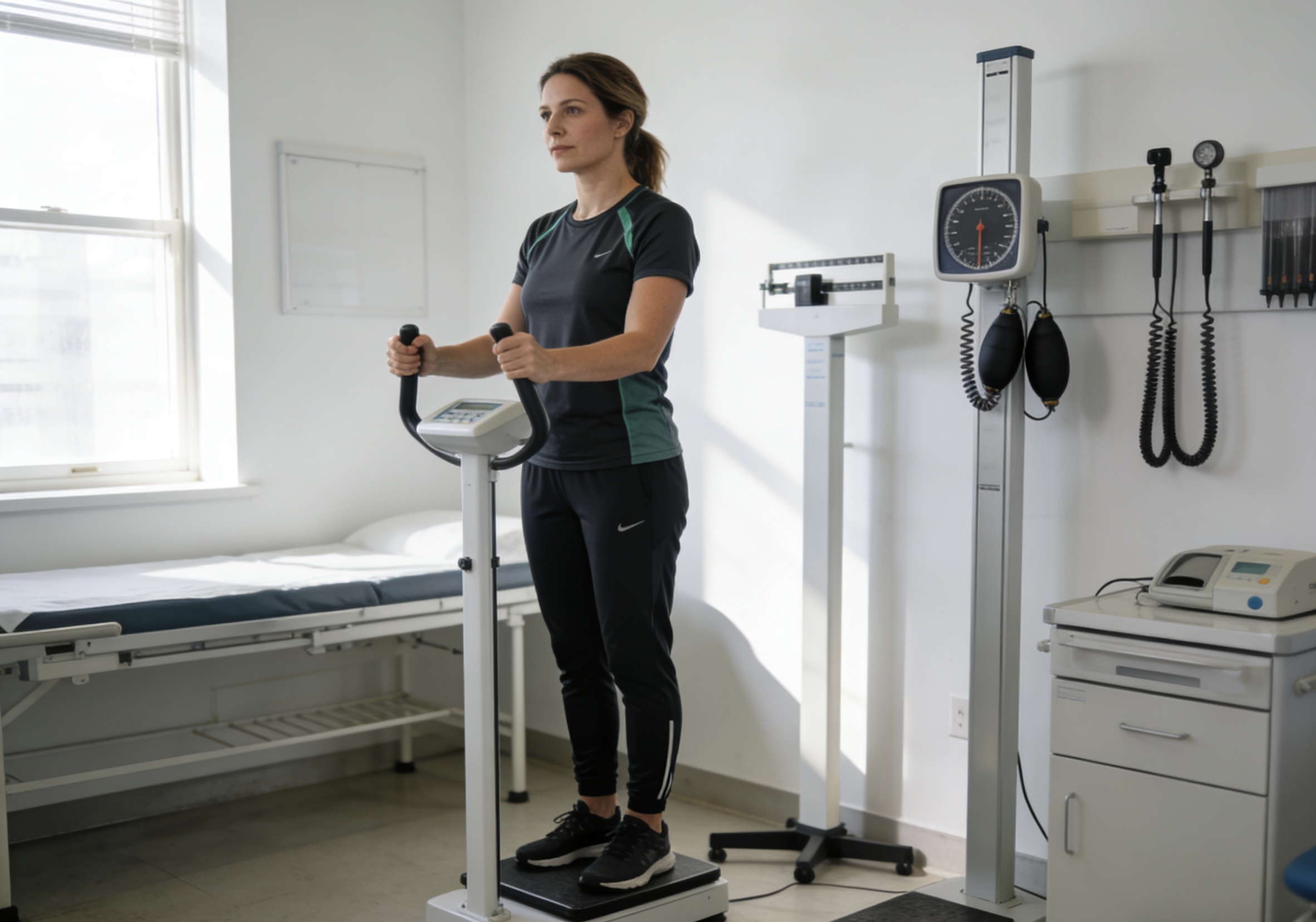
A Scientific Analysis of Body Fat Percentage and Basal Metabolic Rate Through Weight Loss Case Studies
This weight loss case shows a 6.5 kg weight loss, a 2% decrease in body fat percentage, and a 4.02 kg reduction in body fat. Although there was a slight loss of muscle mass leading to a lower basal metabolic rate, the overall weight loss results were good. Scientific weight loss requires monitoring changes in body composition, and increasing exercise afterwards can boost metabolism.
2026-03-25
How much should you eat to lose weight: A scientific method for calculating calorie intake during dieting
Scientific dieting is not simply about starving yourself; it involves calculating your minimum calorie needs based on your height and weight. For the average adult woman, a daily intake of 1200-1300 kcal is safe for weight loss, but individual differences require adjustment. Scientific dieting is the key to healthy weight loss without harming your health.
2026-03-25
Why low-calorie diets are not suitable for quick weight loss
Low-calorie diets, by reducing sugar intake, encourage the body to burn fat reserves, making them an effective way to lose weight. However, faster weight loss is not necessarily better; excessively rapid weight loss can lead to metabolic disorders. Scientifically controlling the rate of weight loss is essential for safe and healthy results.
2026-03-25
Spicy Food and Food Combination: Two New Scientific Approaches to Weight Loss
Spicy Food and Food Combination: Two New Scientific Approaches to Weight Loss
2026-03-25
Basal metabolic rate diet: the core principle of scientific dieting
Basal metabolic rate (BMR) is the minimum calorie requirement to sustain life. Healthy weight loss requires consuming calories equal to your BMR, avoiding excessive dieting. Scientifically applying the BMR weight loss method can achieve individualized and efficient weight loss, ensuring health while reaching the optimal weight loss rate.
2026-03-25