
Weight Loss Principles

The evolution of the record-keeping weight loss method: Calorie restriction aids in scientific weight loss.
This article details the "rising phase" of the calorie-tracking diet, which focuses on effective weight loss through controlling daily calorie intake. This phase doesn't require strict dieting or exercise; instead, it uses scientific calculations of basal metabolic rate to plan your diet, making the weight loss process simple and manageable, helping you steadily move towards your ideal weight.
2026-03-25
Four common misconceptions about the low-insulin diet for weight loss: helping you avoid common pitfalls in your weight loss journey.
This article clarifies four common misconceptions about the low-insulin diet for weight loss, helping readers understand this method scientifically. By analyzing the risks of ketosis and its differences from dieting, it explains how this method can achieve healthy weight loss and avoids common weight loss pitfalls.
2026-03-25
Self-diagnosis methods for obesity: Scientifically calculate ideal weight and health risks
This article provides scientifically effective self-diagnosis methods for obesity, including standard weight calculation formulas, waist circumference measurements, and indicators such as lipoprotein levels, to help you comprehensively assess your obesity status and potential health risks. Mastering these methods allows for early detection and management of health problems caused by obesity.
2026-03-25
The documentary diet: A practical guide to the 1500 kcal restriction - the advanced stage
This article details the rise phase of the diet tracker, teaching you how to scientifically set a daily calorie intake target of 1500 kcal based on your individual basal metabolic rate. This rise phase does not require strict dieting or exercise; effective weight loss can be achieved through flexible dietary planning, making it a key practical step in achieving significant weight loss.
2026-03-25
In-depth analysis of the link between obesity and various diseases: health risks such as diabetes and cancer.
This article explores in detail how obesity leads to various diseases, including diabetes, hypertension, and coronary heart disease, and analyzes the link between obesity and cancer. Obesity not only increases the risk of metabolic disorders but may also trigger cancer; understanding these health effects can help prevent obesity-related diseases.
2026-03-25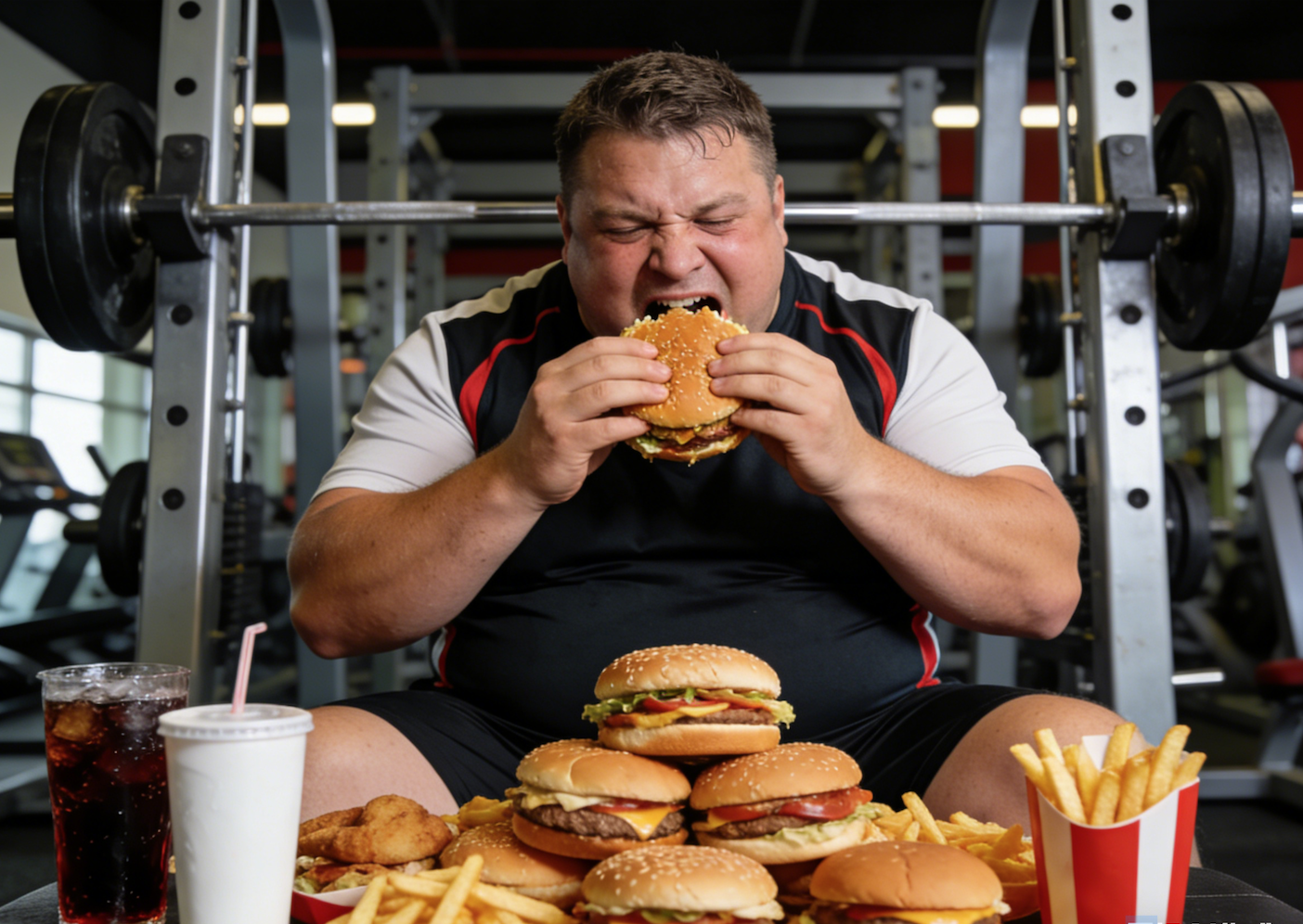
How Much Do You Know About the Dangers of Obesity? Analyzing Multiple Risks and Controllable Changes
This article analyzes the multiple health risks associated with obesity, such as high blood pressure and dyslipidemia, and clarifies that while obesity is a serious problem, it can be controlled by changing lifestyle habits. Understanding the link between obesity and dietary and exercise habits is a crucial first step towards scientific weight loss and improved health.
2026-03-25
The key to weight loss lies in the kitchen: diet management is more important than exercise.
The secret to weight loss lies in the kitchen, not the gym; scientific diet management is more effective than exercise alone. By understanding food calories and seasoning usage, you can avoid blindly dieting and achieve healthy weight loss. Mastering diet management is the first step to successful weight loss.
2026-03-25